






If you struggle with an oily complexion, you would want to skip face creams to reduce the greasy feeling. However, it's not the best thing to do as oily skin needs proper hydration to maintain balance and prevent the overproduction of sebum. The best face cream for oily skin helps balance oil while nourishing your skin without clogging pores, provided you choose the right one.
A face cream for oily face is formulated with oil-balancing ingredients that offer lightweight hydration, and avoid clogging pores.
What is oily skin?
When the sebaceous glands produce too much sebum, it leads to a shiny complexion, frequent breakouts, and clogged pores. Such skin types are categorized as oily skin.
Key ingredients to look for in skin creams for oily skin
It's important to consider the ingredients while choosing the best cream for oily skin:
-
Hyaluronic acid: Hyaluronic acid hydrates without making your skin greasy, making it ideal for oily skin.
-
Salicylic acid: Known for its acne-fighting properties, it helps exfoliate and clear pores.
-
Niacinamide: This wonder ingredient balances sebum production, reduces inflammation, and minimizes pores.
-
Tea tree oil: A natural antibacterial agent that helps control oil and prevents breakouts.
-
Aloe vera: Soothing and lightweight, aloe provides hydration without making the skin feel greasy.
Types of face cream for oily skin
Depending on your preferences and skin concerns, you can choose from the following types of oily skin creams:
-
Gel-based creams: Lightweight and fast-absorbing, gel-based creams offer hydration without adding oil.
-
Mattifying creams: These creams are designed to reduce shine and keep your skin looking matte throughout the day.
-
Water-based creams: Providing essential moisture without any heavy ingredients, water-based formulas are perfect for greasy skin.
The best face cream for oily skin is the one that does not make your skin feel greasy or sticky. Note that cream is unsuitable for your skin if it causes breakouts and irritation or has unnatural open pores.
How to apply skin cream for oily skin
Get the maximum results of your best cream for greasy skin with the following tips:
-
Always apply a day cream for oily skin after cleansing and toning, using a pea-sized amount. Massage it gently into the skin rather than rubbing it to avoid stimulating oil production.
-
Use a good cream for greasy skin both in the morning and at night to maintain hydration and balance.
-
You can layer your oily skin cream over serums. However, ensure that those are lightweight and breathable.
Best face creams for oily skin from Plum
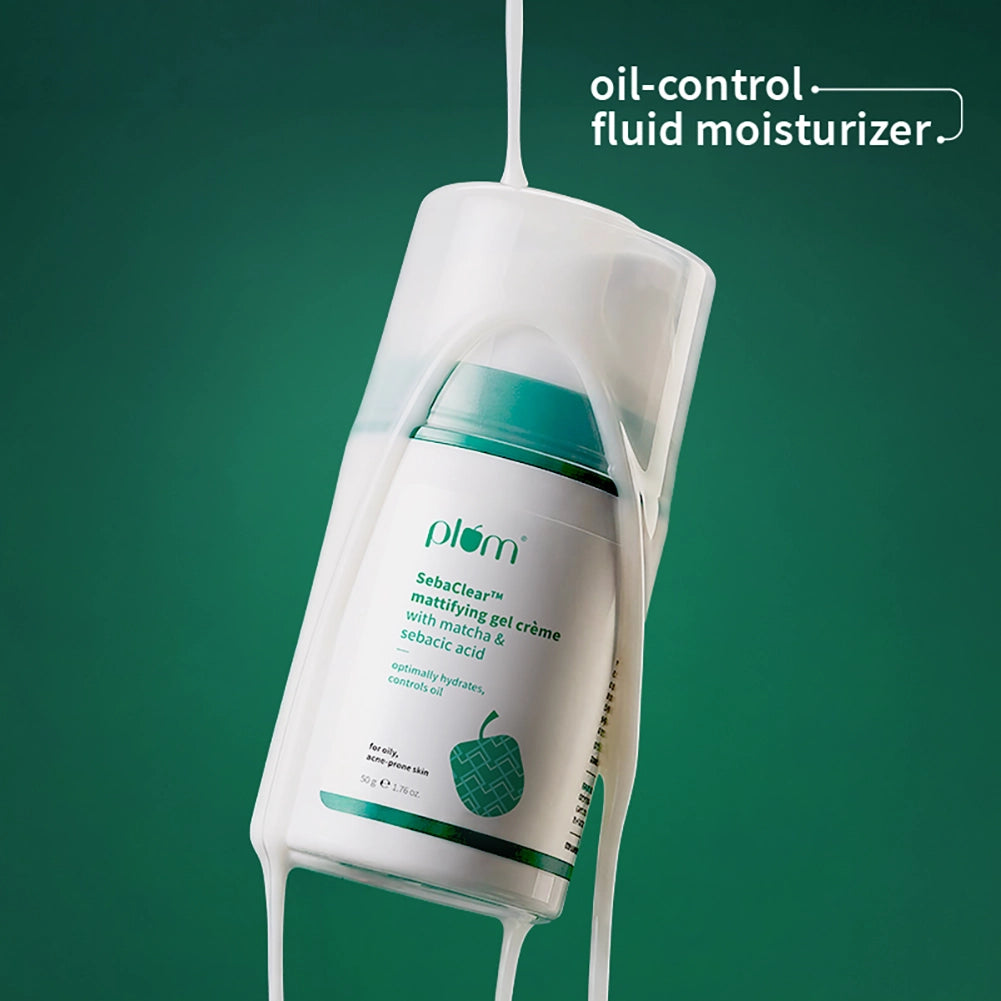
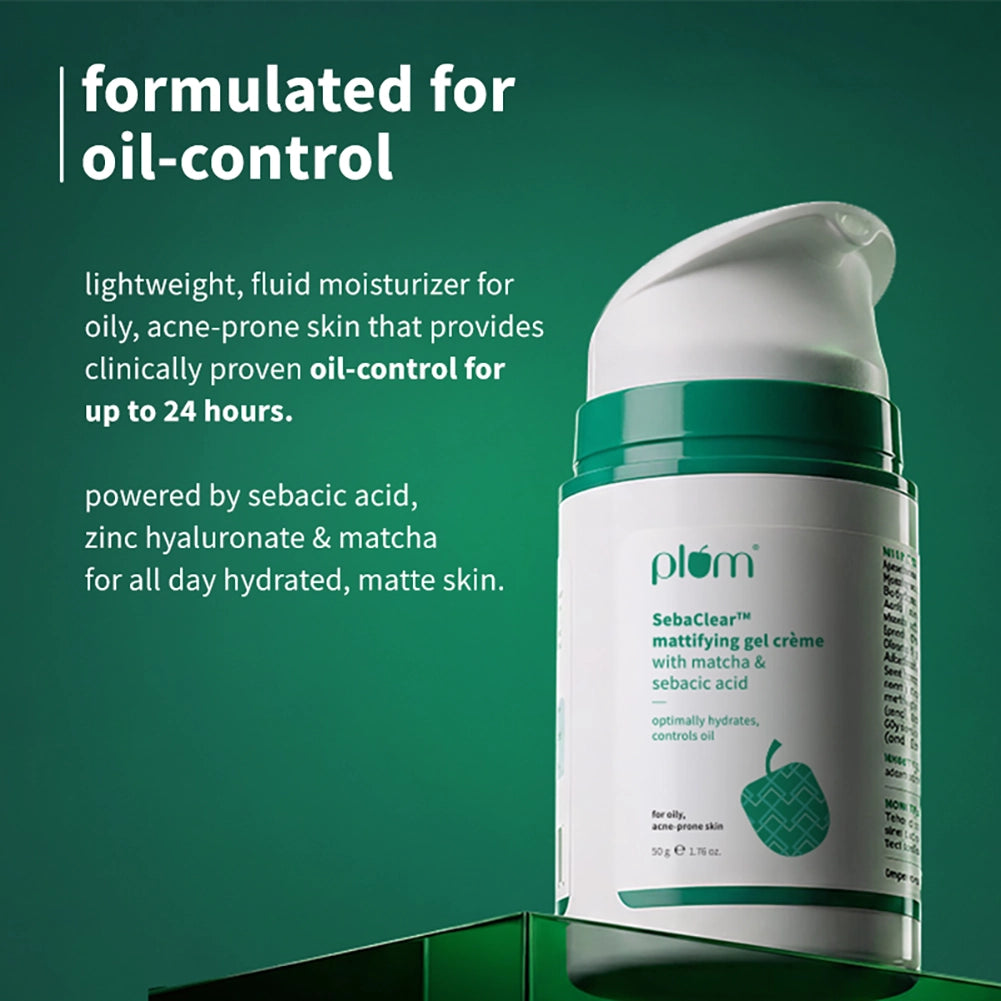
Plum's best face cream for oily skin is formulated with high-quality ingredients that help balance moisture and control oil without clogging pores.
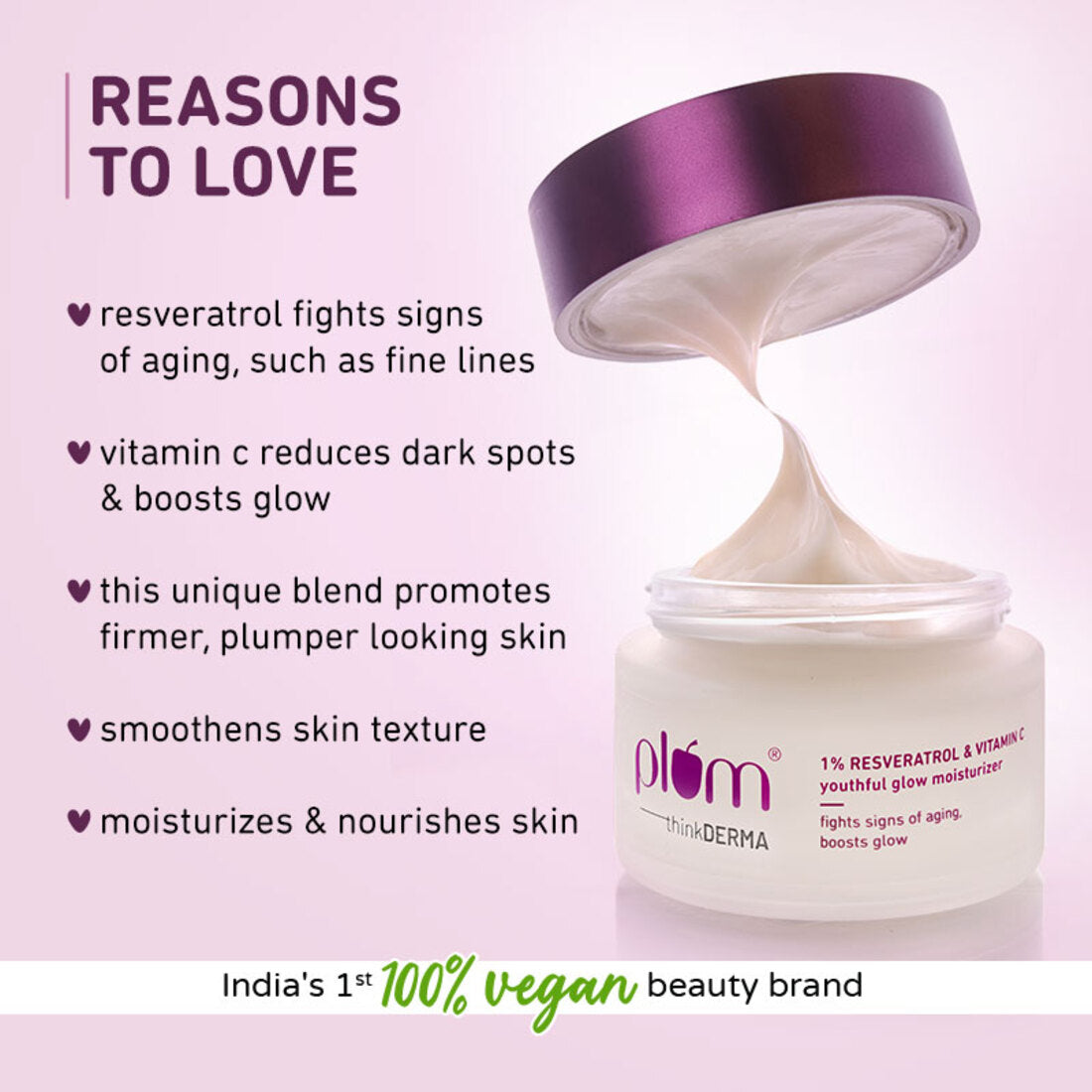
1% Resveratrol & Vitamin C Youthful Glow Moisturizer
3% Vitamin C Moisturizer with Mandarin
Green Tea Mattifying Moisturizer
Salicylic & Lactic Acid Skin-Smoothing Gel Moisturizer
2% Niacinamide & Rice Water Gel Cream
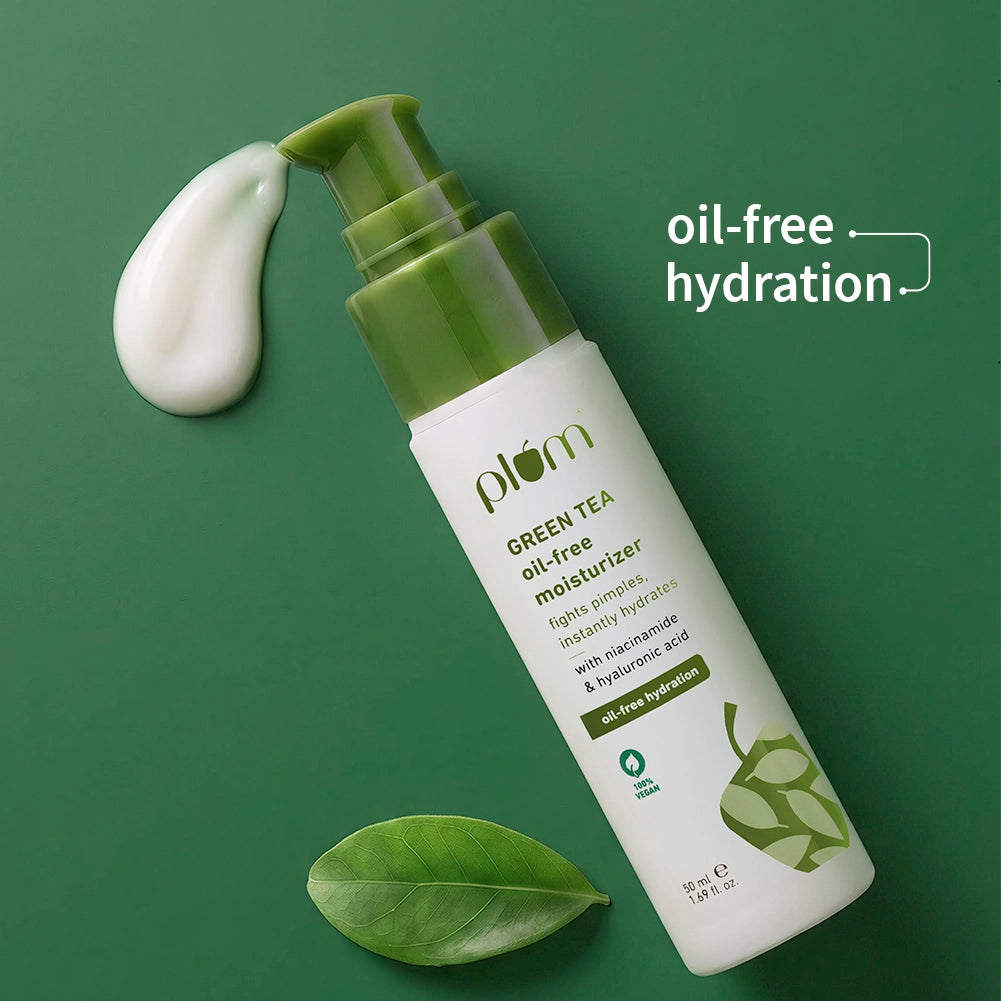
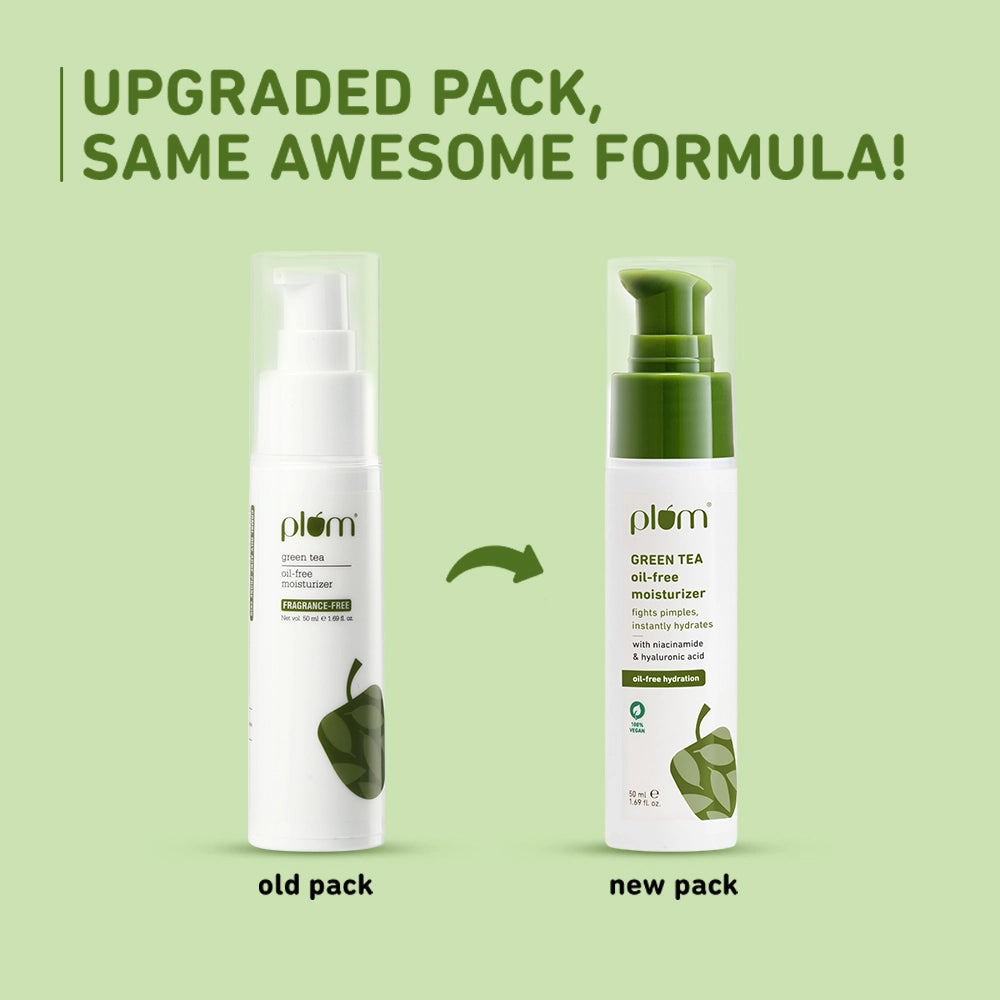
Green Tea Oil-Free Moisturizer
frequently asked questions
Can face creams for oily skin help reduce excess shine?
Yes. Face creams formulated for oily skin typically contain ingredients like niacinamide, salicylic acid, or kaolin clay that regulate sebum production and leave a matte finish. With consistent use, they help control that midday shine without stripping your skin.
Is gel-based face cream better than cream-based formulas for oily skin?
Generally yes. Gel-based creams are water-based, lighter in texture, and absorb quickly without leaving a greasy residue, all of which makes them more comfortable and effective for oily skin. Thick cream-based formulas can feel heavy and may clog pores.
Can oily skin become more oily if I skip moisturizer or face cream?
Yes, and this is a very common misconception. When you skip moisturiser, your skin interprets the dryness as a signal to produce more oil to compensate. Using a lightweight, oil-free face cream actually helps regulate your skin's oil production over time.
Are face creams for oily skin suitable for acne-prone skin?
Most are, especially if they are labelled non-comedogenic meaning they won't clog pores. Look for formulas with niacinamide, tea tree, or salicylic acid. These not only moisturise but also help calm breakouts and reduce redness.
Can I use a face cream for oily skin under makeup?
Yes. A lightweight gel-cream absorbs quickly and creates a smooth base for makeup. Let it settle for 2 to 3 minutes before applying foundation. It can actually help your makeup last longer by keeping skin hydrated without turning greasy by midday.
Can I use a serum for oily skin every day?
Yes, daily use is recommended for best results. Most serums for oily skin, especially those with niacinamide or hyaluronic acid, are designed for twice-daily use. Consistent application is what gives you the oil-control and pore-minimising benefits over time.
Which ingredients are best in a serum for oily and acne-prone skin?
The most effective ingredients are niacinamide which controls oil and fades marks, salicylic acid which unclogs pores, hyaluronic acid which hydrates without grease, and zinc which calms inflammation. Avoid serums with heavy oils or alcohol-heavy formulas that strip and rebound.
Can I use a serum for oily skin along with a moisturizer?
Yes and you should. Apply the serum first since it is lighter, let it absorb for a minute, then follow with a lightweight oil-free moisturiser. The serum treats specific concerns while the moisturiser locks in hydration and strengthens your skin barrier.
Do serums for oily skin help reduce the appearance of pores?
They can with consistent use. Niacinamide is particularly well-researched for minimising pore appearance by reducing oil production and tightening the skin around pores. You won't see results overnight so give it 4 to 6 weeks of regular use.
Should I use a serum for oily skin in the morning or at night?
Most serums work well both morning and night. If your serum contains niacinamide or hyaluronic acid, use it twice daily. If it contains salicylic acid or retinol, stick to nighttime use and always follow with SPF in the morning.


