
















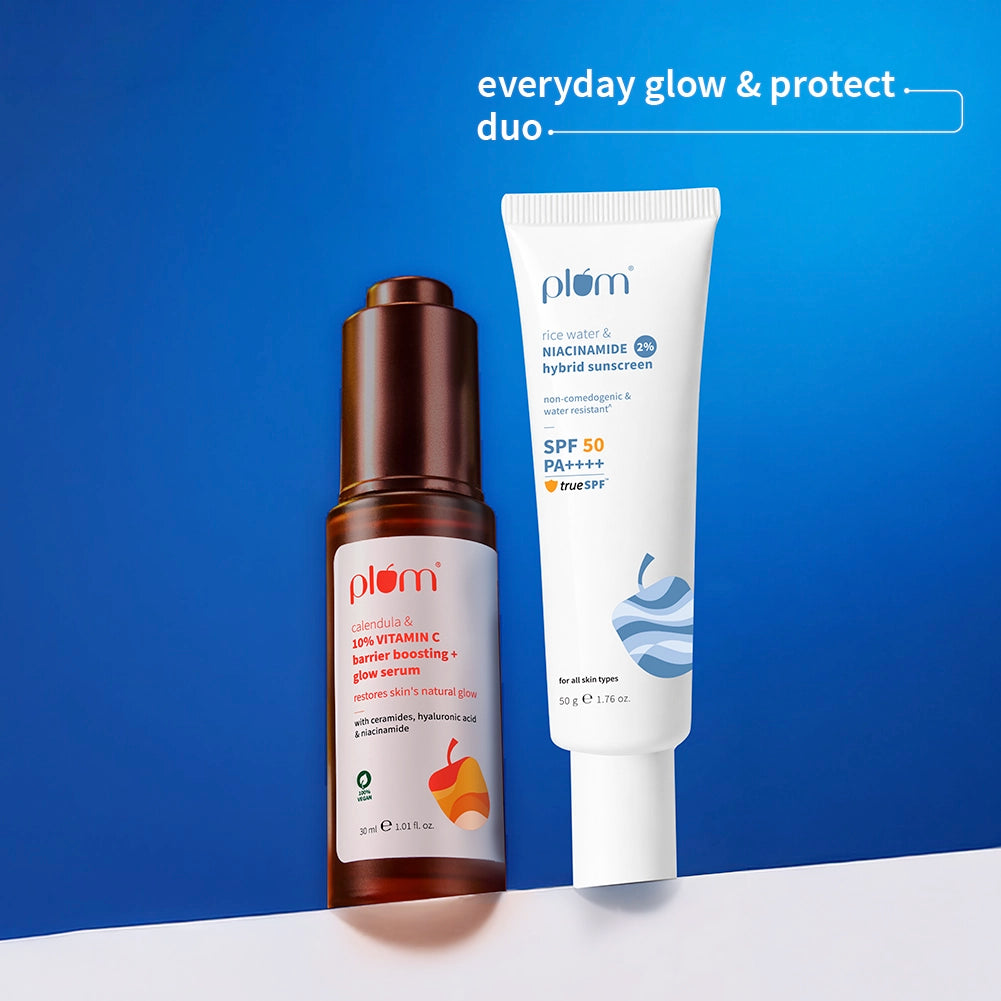
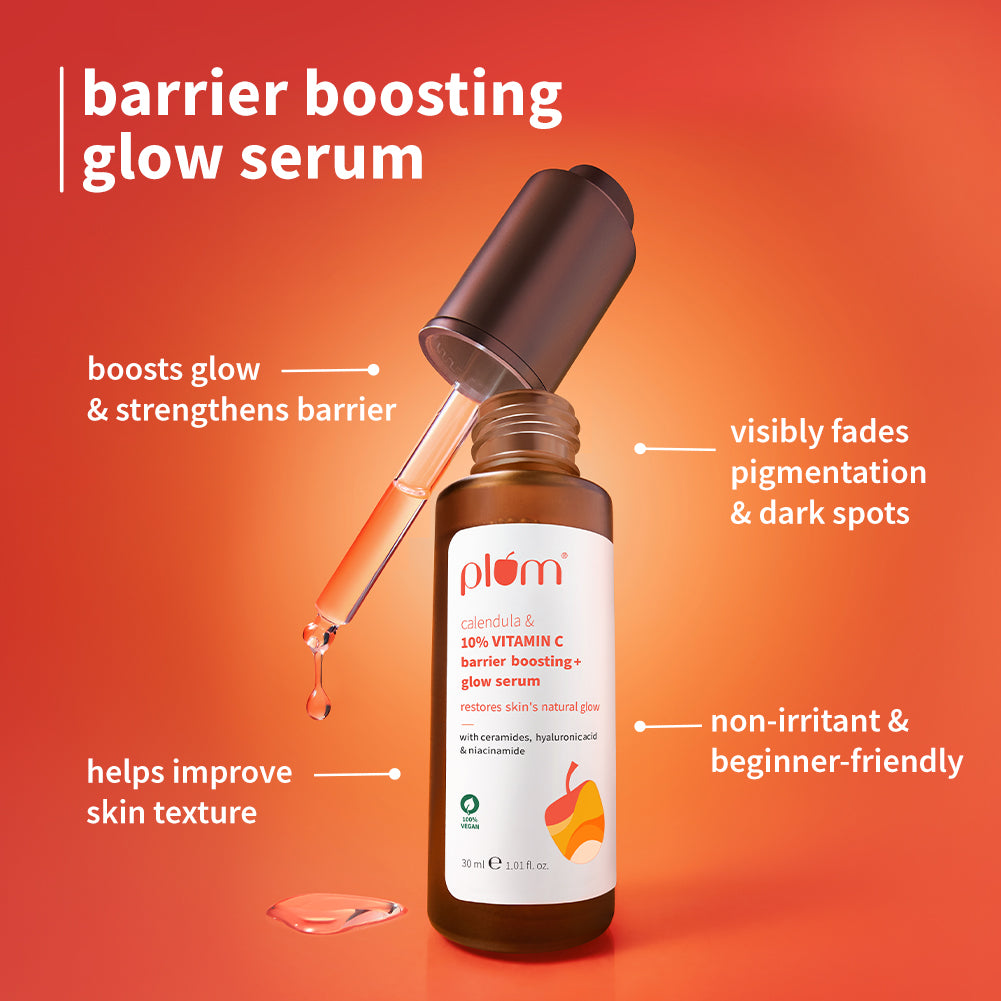
Tanning, caused by prolonged sun exposure, can leave your skin uneven and darker. Specialized tan removal products help restore your natural skin tone and improve your skin's health. While home remedies can help lighten the tan, using products specifically designed for tan removal ensures effective and safe results.
Why Tan Removal is Important for Healthy Skin
Regular tan removal isn't just about aesthetics — it's an important part of maintaining healthy, resilient skin. Here's why:
Prevents Pigmentation & Dark Spots
UV exposure triggers excess melanin production which, if left untreated, accumulates as stubborn dark spots and uneven patches. Regular use of tan removal products with brightening actives like Vitamin C, alpha arbutin, and niacinamide helps interrupt this process, preventing surface pigmentation from becoming deeper and harder to treat.
Helps Repair Sun Damage
Sun damage goes beyond visible darkening — UV rays cause oxidative stress, break down collagen, and weaken the skin barrier. Tan removal products formulated with antioxidants (Vitamin C, green tea) and restorative ingredients (aloe vera, hyaluronic acid) help neutralize free radical damage and support skin repair at a cellular level.
Improves Skin Texture
Sun-tanned skin often feels rough, dry, and uneven due to accumulated dead skin cells on the surface. Exfoliating ingredients like glycolic acid (AHA) and salicylic acid (BHA) in tan removal products slough away this buildup, revealing smoother, softer skin underneath and improving overall texture with consistent use.
Restores Even Skin Tone
Prolonged sun exposure creates patchy, uneven skin tone — darker on sun-exposed areas (face, neck, arms, hands) and lighter on covered areas. Targeted tan removal products help fade this disparity, restoring a natural, uniform complexion over 4–6 weeks of consistent use.
What causes skin tanning?
Tanning occurs when UV rays from the sun stimulate melanin production, the pigment responsible for skin color. Interestingly, tanning is the skin's natural defense mechanism to protect your skin against UV damage.
Best Ingredients for Tan Removal & Brightening
Vitamin C: Known for its brightening properties, it helps reduce pigmentation and boosts collagen production.
Niacinamide: Helps in reducing blemishes and evens out skin tone.
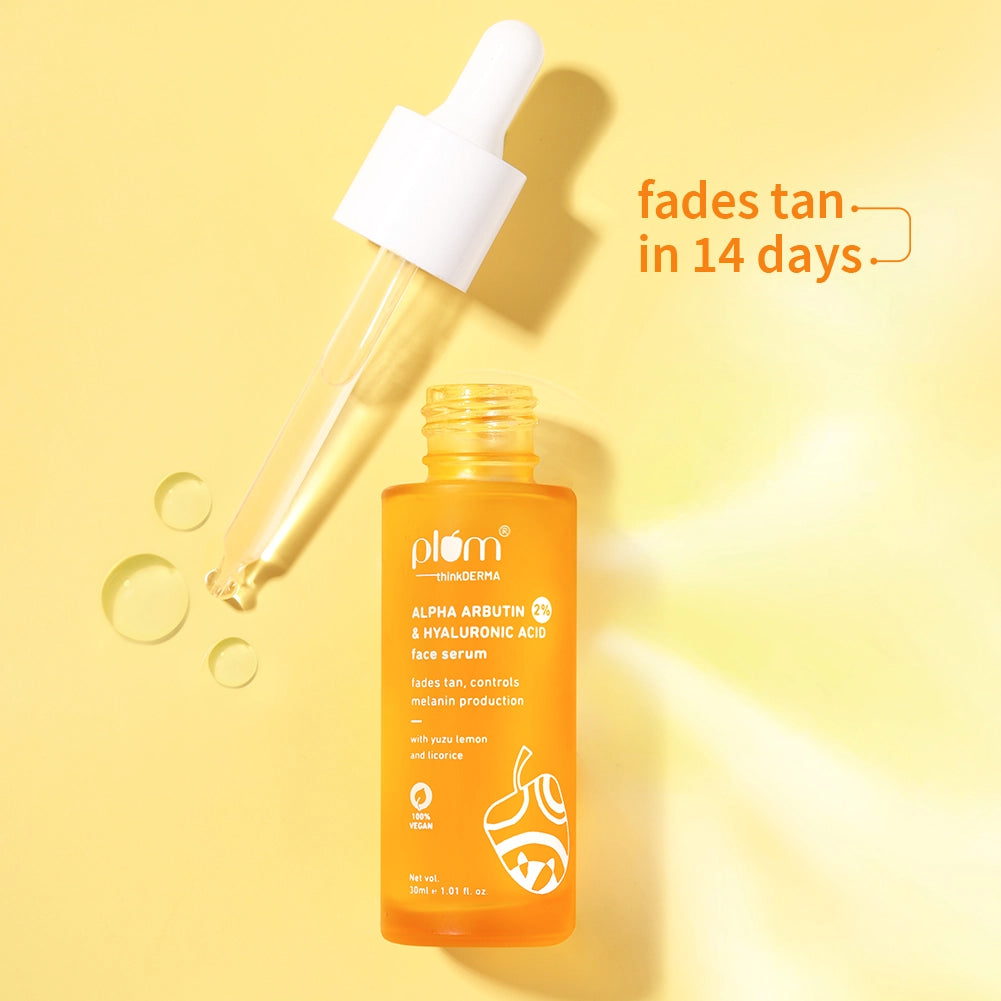
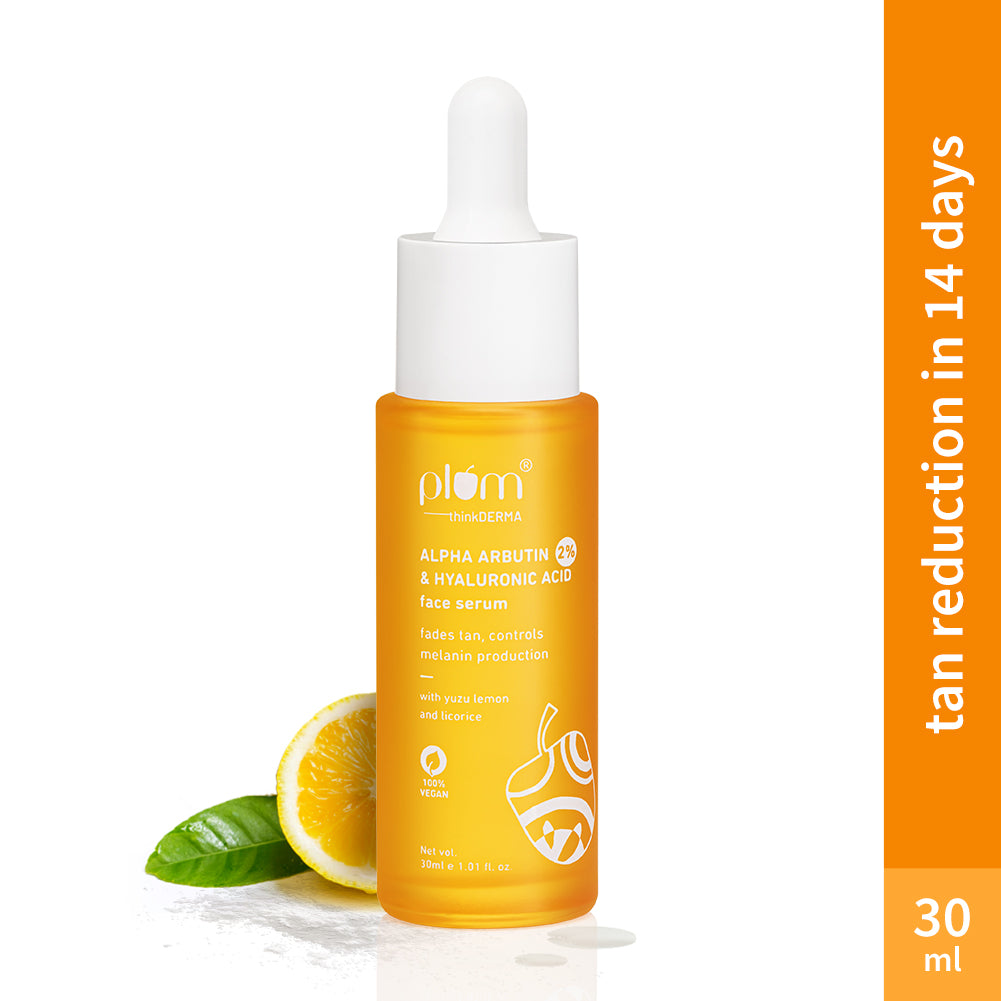
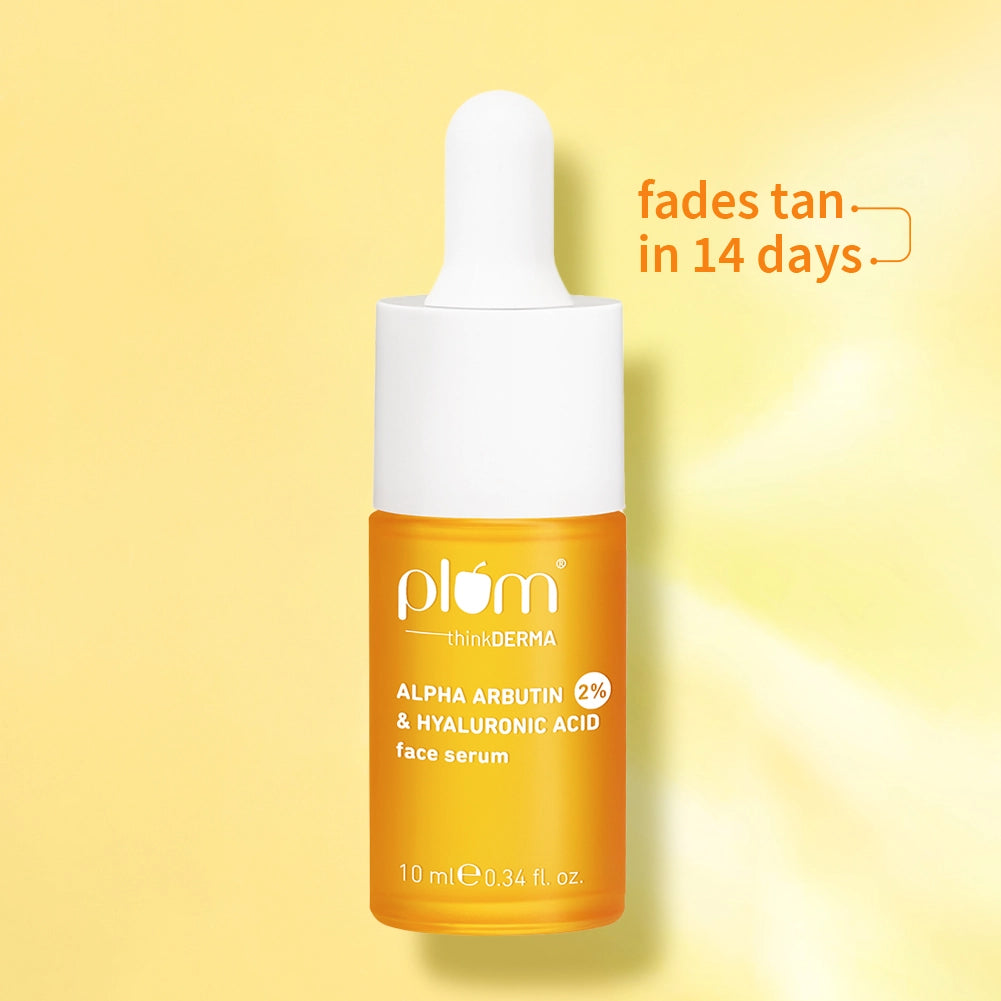
Alpha arbutin: Inhibiting melanin production, thereby lightening the skin and reducing hyperpigmentation.
Aloe Vera: Soothes and hydrates the skin while reducing sunburn effects.
Glycolic Acid: Exfoliates the skin, removing dead skin cells and promoting new cell growth.
Licorice Extract: Reduces pigmentation and dark spots, providing a brighter complexion.
AHAs for Exfoliation & Skin Renewal
Alpha Hydroxy Acids (AHAs) — primarily glycolic acid and lactic acid — work on the skin's surface to dissolve the bonds holding dead, melanin-rich skin cells together. This gentle chemical exfoliation removes the outermost layer of tanned skin, accelerates cell turnover, and reveals fresher, brighter skin beneath. AHAs are ideal for dry and normal skin types and are best used at night, as they can increase sun sensitivity.
BHAs for Deep Pore Cleansing
Beta Hydroxy Acids (BHAs), primarily salicylic acid, are oil-soluble and can penetrate deeper into pores to dissolve sebum, dead skin cells, and oxidized debris that contributes to dull, uneven skin. For oily and acne-prone skin, BHAs tackle tan-induced congestion and reduce inflammation simultaneously — making them a multi-benefit ingredient in tan removal routines.
Vitamin C for Brightening
Vitamin C (ascorbic acid) is one of the most well-researched brightening ingredients for tan removal. It inhibits the enzyme tyrosinase, which is responsible for converting amino acids into melanin — effectively slowing down new pigmentation formation. It also neutralizes UV-induced free radicals, boosts collagen synthesis for firmer skin, and gradually fades existing dark spots and tan with regular use.
Niacinamide for Pigmentation
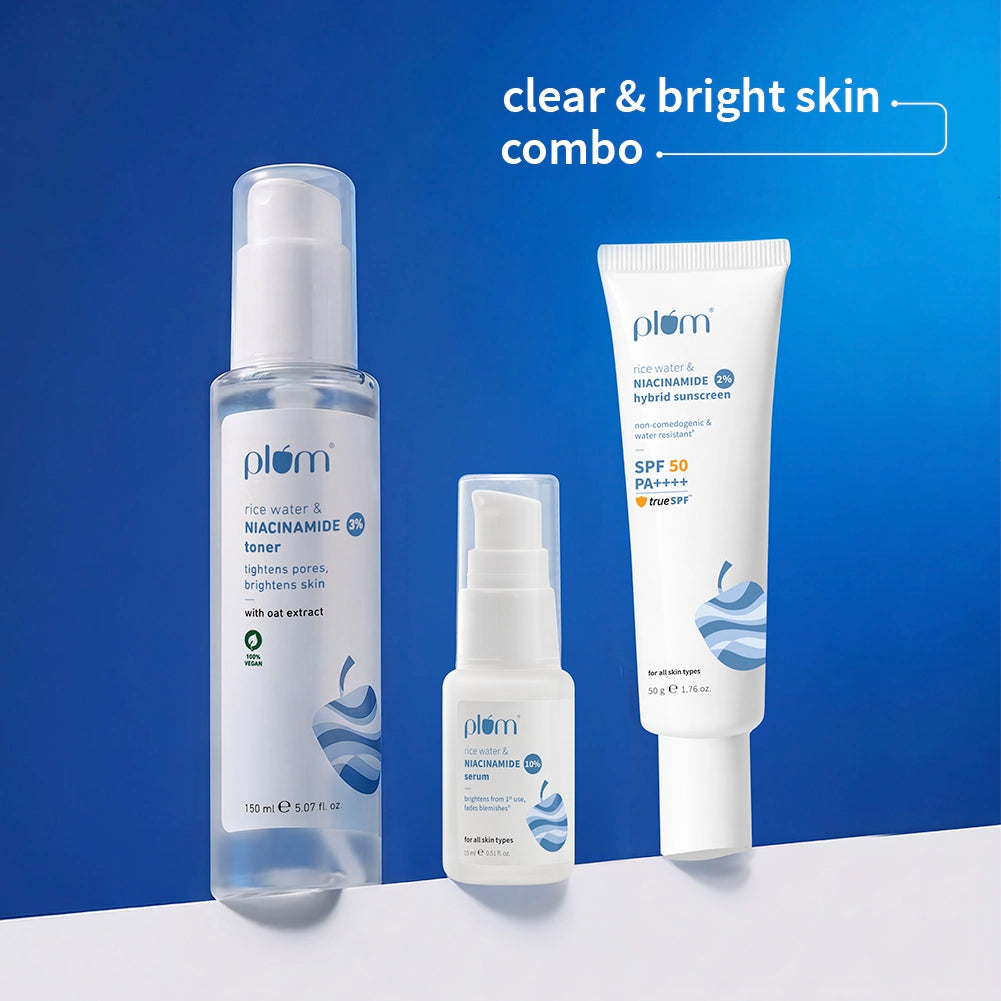
Niacinamide (Vitamin B3) reduces the transfer of melanin from melanocytes (pigment-producing cells) to skin cells — directly reducing the appearance of tan, dark spots, and hyperpigmentation. It also strengthens the skin barrier, reduces inflammation, and minimizes pore appearance. Unlike Vitamin C, niacinamide is stable and well-tolerated by most skin types including sensitive skin, making it an excellent daily-use brightening ingredient.
What products to use for tan removal?
Face Washes: Gently remove impurities and surface tan.
Exfoliators and Scrubs: Slough off dead skin cells and reveal brighter skin.
Face Masks and Packs: Provide intensive treatment to reduce tan and hydrate the skin.
Serums: Concentrated formulations that target deep pigmentation and dark spots.
Moisturizers and Creams: Keep the skin hydrated and aid in the repair of sun-damaged skin.
Body Lotions and Scrubs: Target tan removal on larger body areas, ensuring even skin tone.
Best Tan Removal Routine for Face & Body
A structured routine using the right products in the right order makes tan removal significantly faster and more effective. Here's how to build yours:
De-Tan Serums
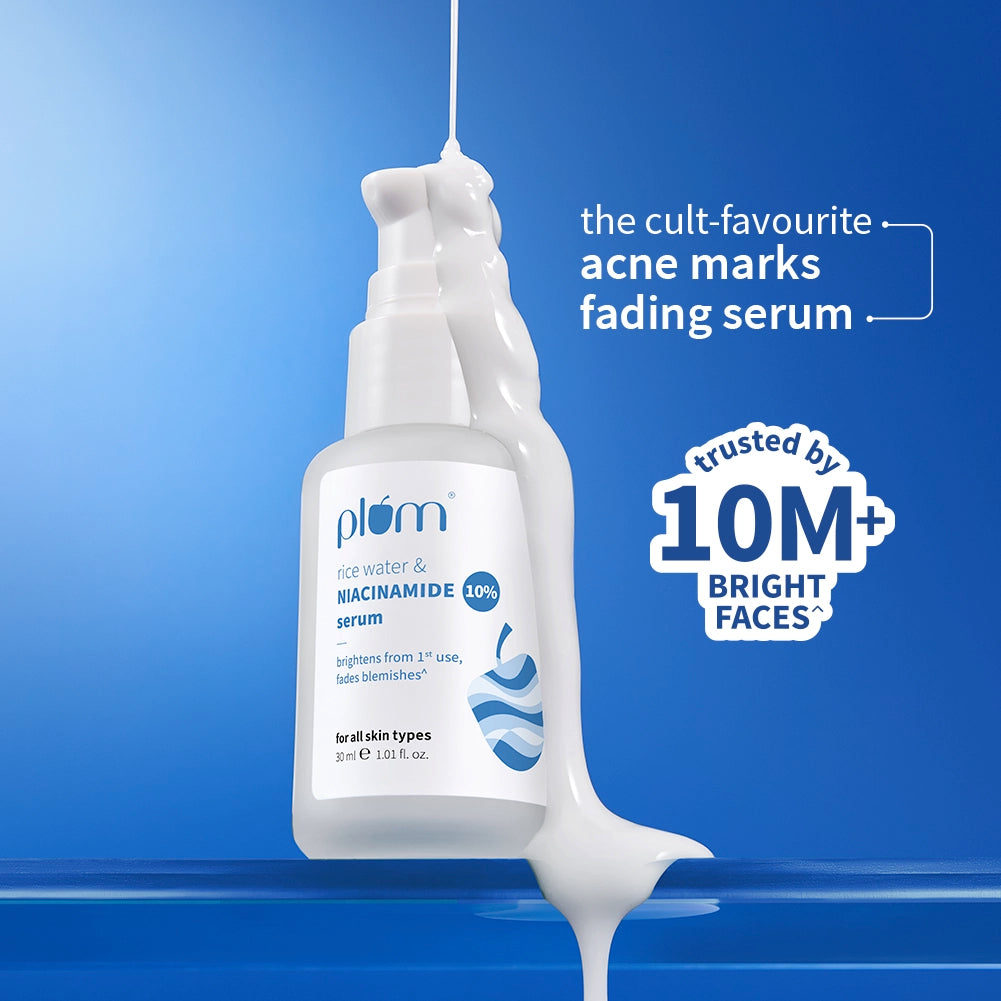
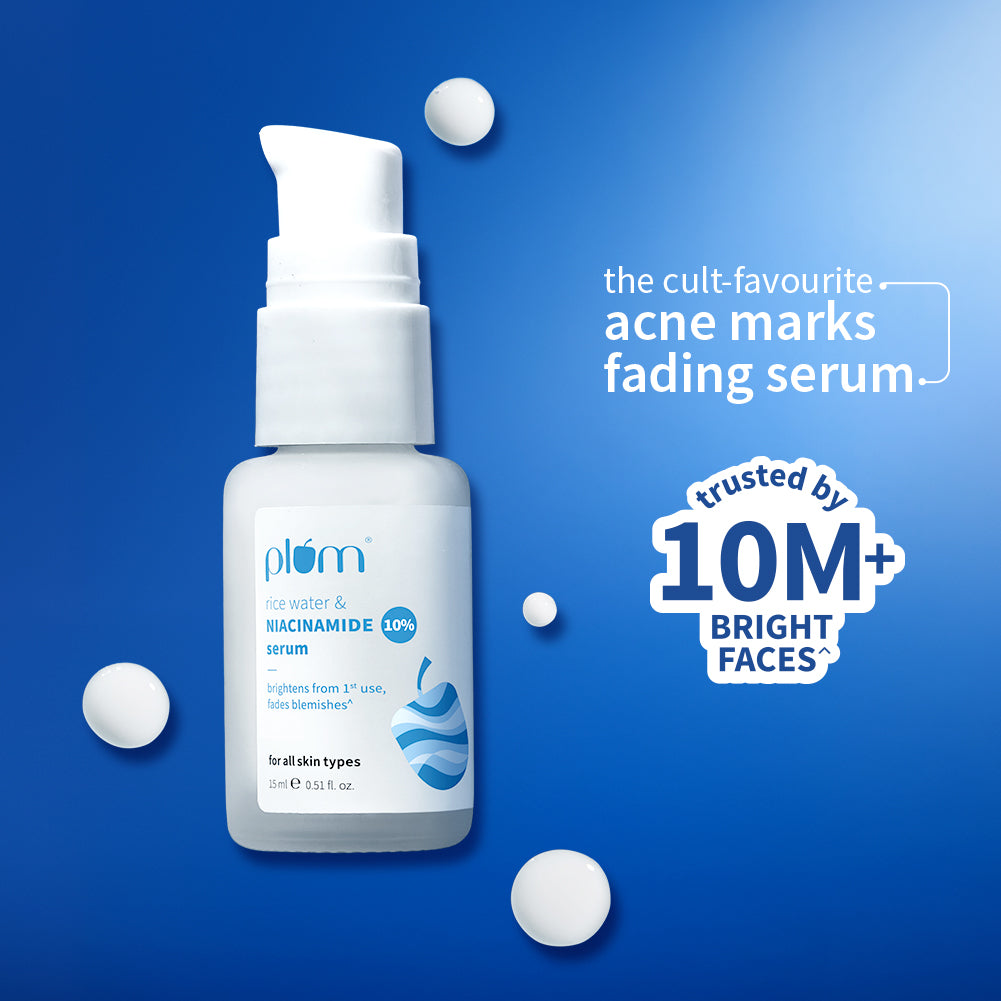
Serums are the most concentrated step in your tan removal routine. A Vitamin C serum or alpha arbutin serum applied after toning delivers active brightening ingredients directly to the deeper layers of the skin where melanin accumulates. Use a de-tan serum every morning and/or night depending on your skin's tolerance. Look for serums with 10–20% Vitamin C, 2% alpha arbutin, or 10% niacinamide for visible results within 4–6 weeks.
Face Masks for Tanned Skin
Face masks provide an intensive burst of de-tanning actives in a single treatment. Clay or kaolin-based masks help draw out impurities and absorb surface melanin while exfoliating. Use a de-tan face mask 1–2 times a week for the best results. Avoid using masks on the same day as strong chemical exfoliants to prevent over-exfoliation.
Body Scrubs for Tan Removal
Sun tan on the body — arms, legs, neck, back — requires physical and chemical exfoliation to fade effectively. Body scrubs with ingredients like kojic acid, glycolic acid, or fruit enzymes remove dead, tanned skin cells and stimulate cell renewal. Use 2–3 times a week in the shower, focusing on sun-exposed areas. Always follow with a body moisturizer and sunscreen to protect freshly exfoliated skin.
Sunscreen to Prevent Retanning
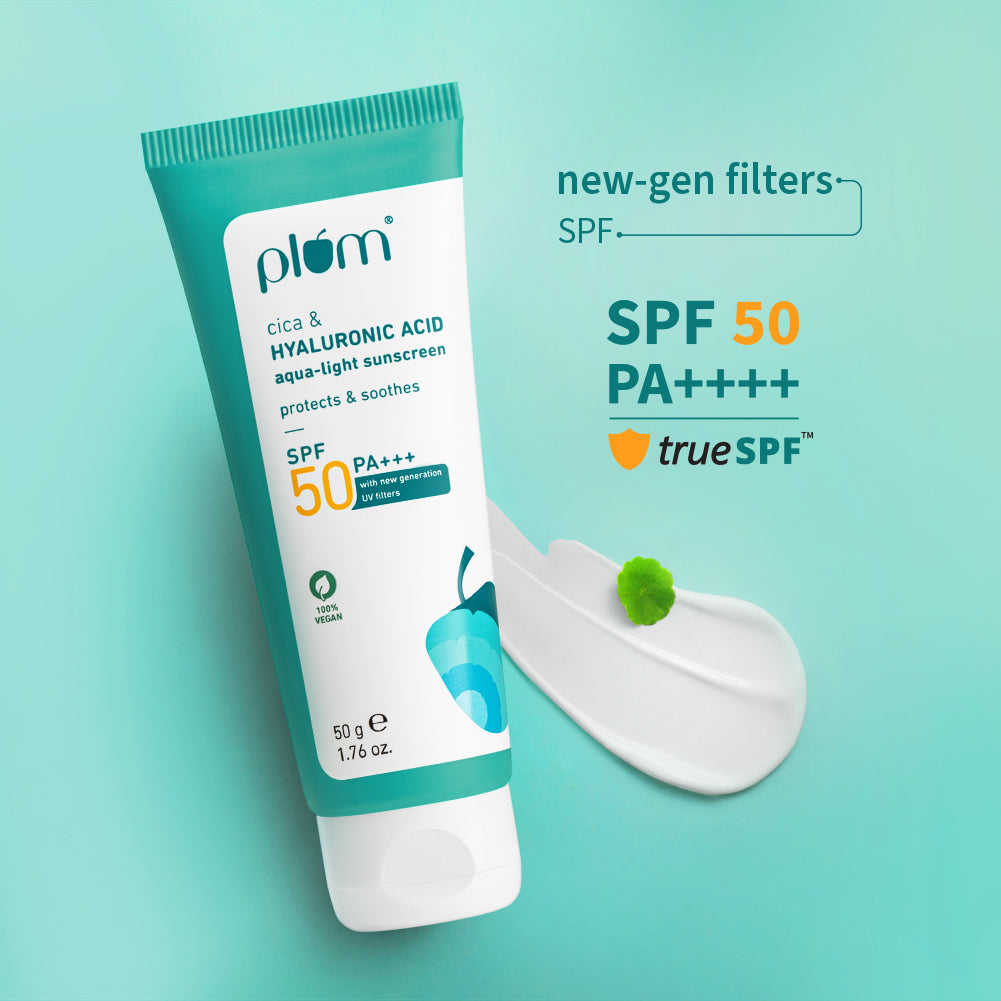
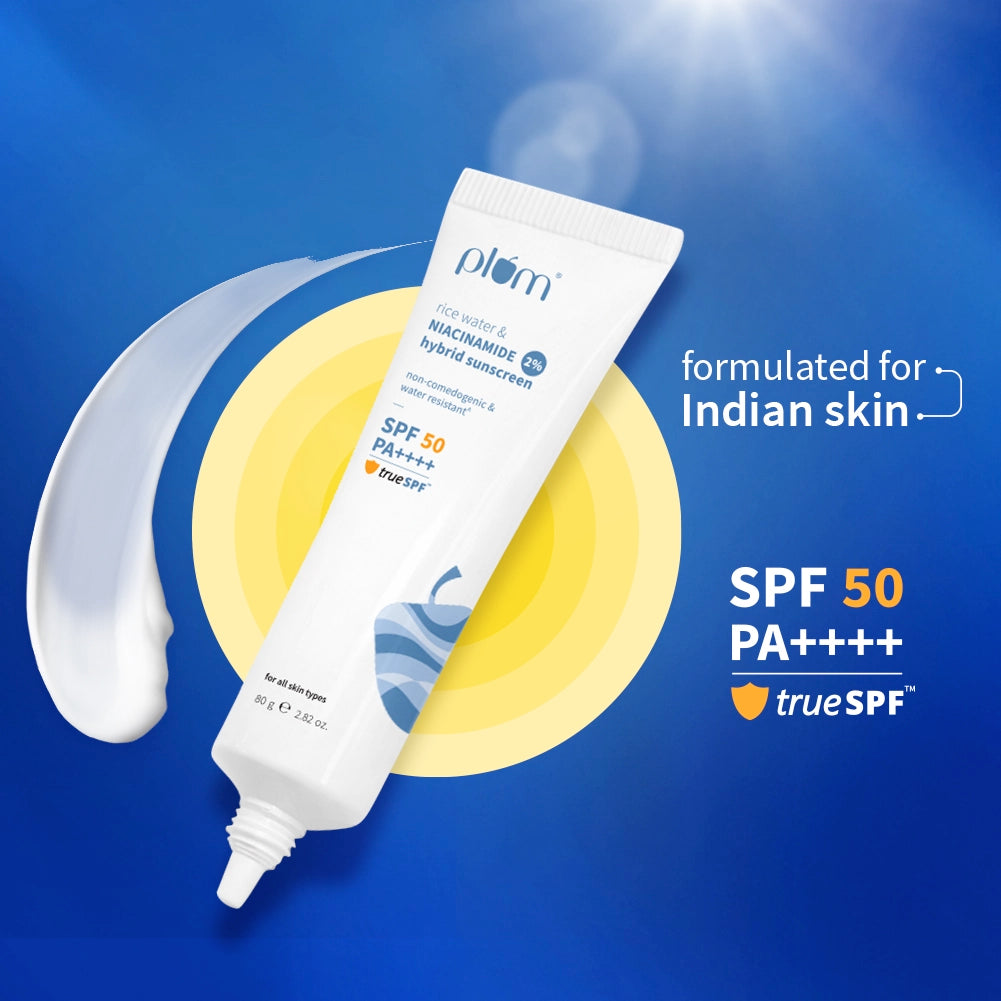
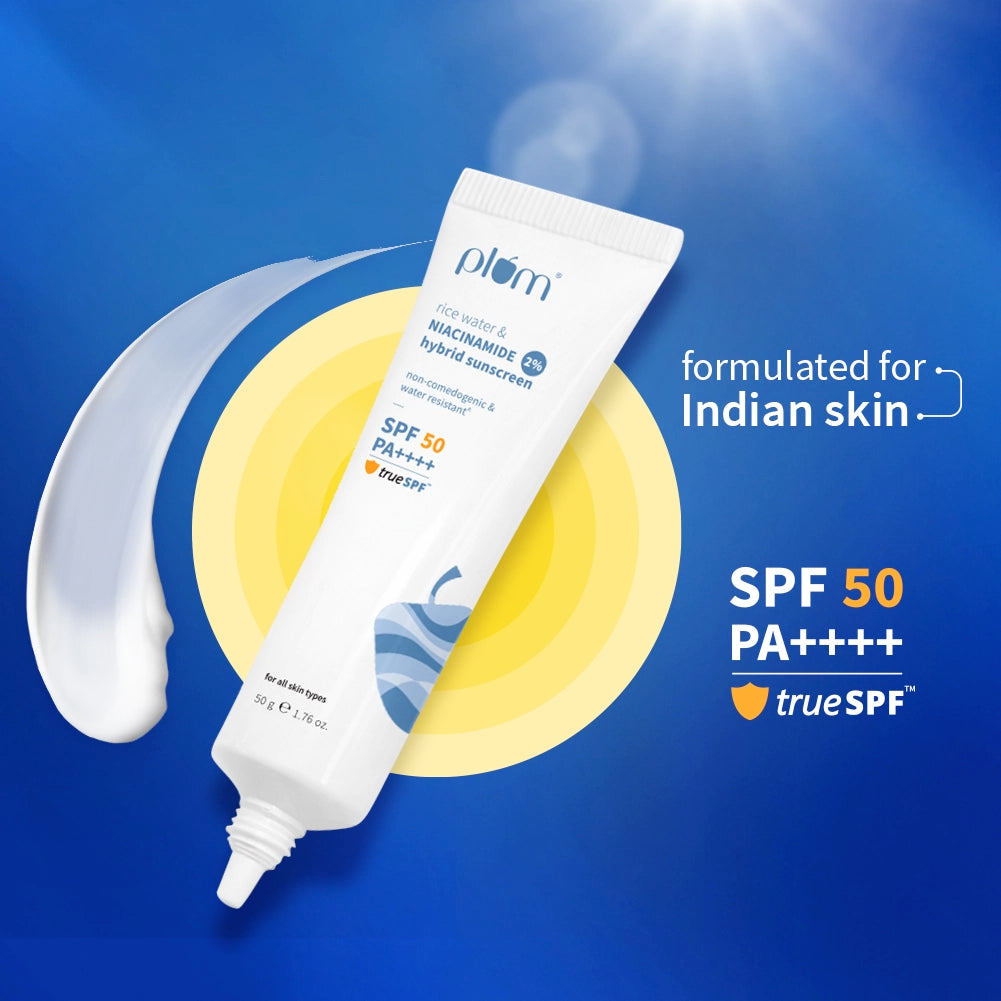
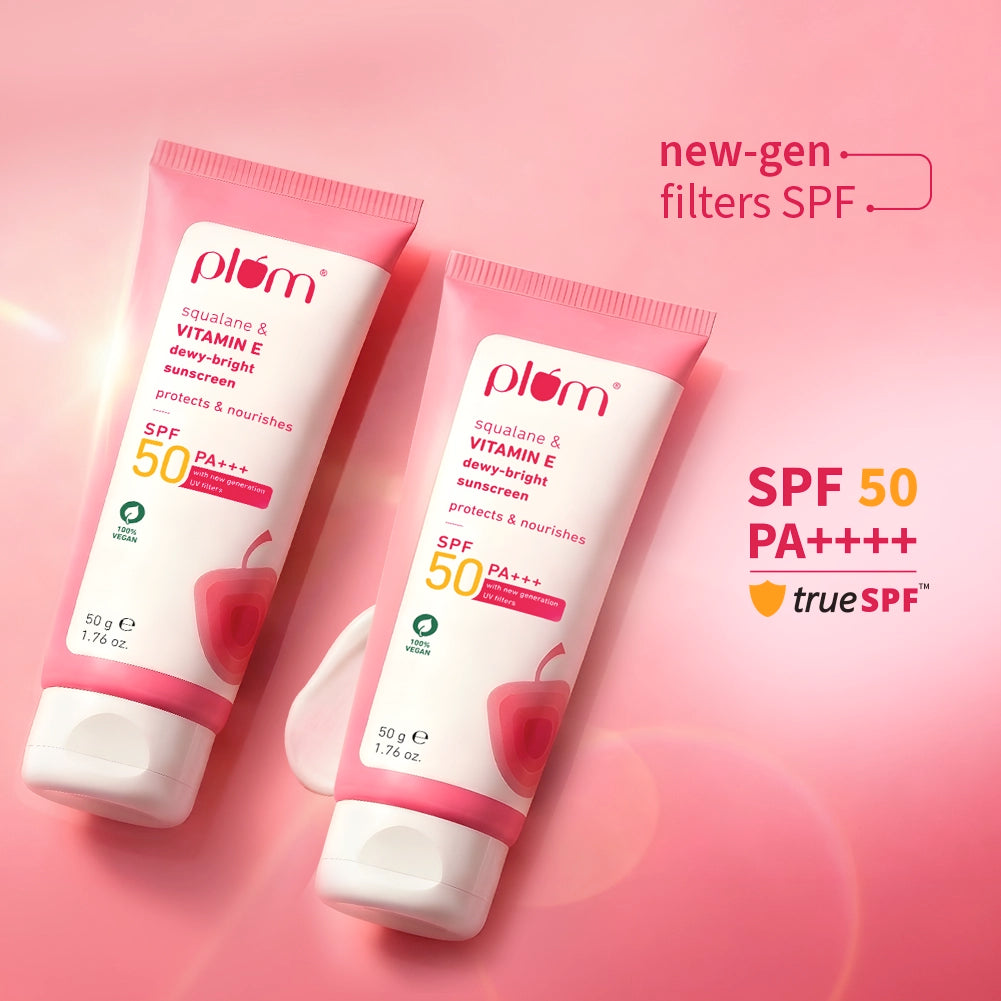
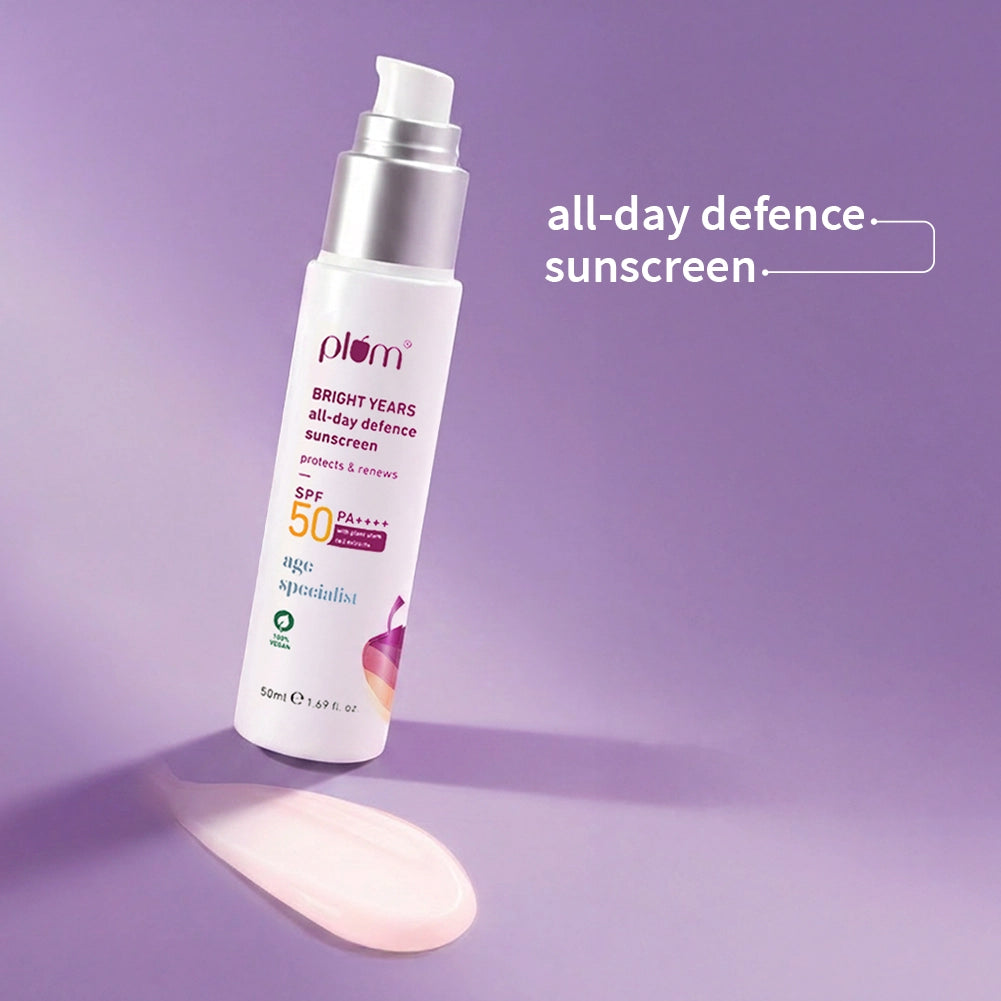
The most critical but often overlooked step: sunscreen. Every tan removal product you use makes your skin more photosensitive — meaning unprotected skin will re-tan faster and more severely. Apply a broad-spectrum SPF 50 PA++++ sunscreen every morning (last step before makeup), and reapply every 2–3 hours outdoors. Without daily sunscreen, even the best tan removal routine will produce limited results.
How to Choose the Right Tan Removal Products
Not all tan removal products suit every skin type. Here's how to pick the right ones for your specific concern:
For Oily Skin
Oily skin benefits most from gel-based or water-based tan removal products that won't add excess grease. Look for BHAs (salicylic acid) for pore-clearing exfoliation, niacinamide for oil control and brightening, and lightweight Vitamin C serums. Avoid heavy cream-based masks or thick moisturizers that can clog pores. A mattifying de-tan serum + gel sunscreen is the ideal daily combo.
For Dry Skin
Dry skin needs tan removal products that exfoliate gently without stripping moisture. AHAs like lactic acid (gentler than glycolic acid) work well for dry skin. Pair with a hydrating serum (hyaluronic acid + Vitamin C) and a nourishing moisturizer post-treatment. Avoid harsh scrubs — opt for enzyme-based exfoliants or gentle glycolic acid toners instead.
For Sensitive Skin
Sensitive skin reacts easily to acids and strong actives. Start with low-concentration ingredients — 5% Vitamin C, 2% niacinamide — and patch test before use. Avoid high-strength AHAs and BHAs, and look for soothing ingredients like aloe vera, cica, and licorice extract that brighten without irritating. Mineral sunscreens (zinc oxide-based) are better than chemical SPF for sensitive skin.
For Pigmentation & Dark Spots
For stubborn post-tan pigmentation, you need targeted actives that work at a deeper level. Alpha arbutin, kojic acid, tranexamic acid, and 2% niacinamide are the most effective for fading deep pigmentation and dark spots. Combine a Vitamin C serum in the morning with a niacinamide or alpha arbutin serum at night, and always layer SPF 50 PA++++ during the day to prevent UV from re-darkening treated areas.
How to Use Tan Removal Products Effectively
Use the products consistently every day to see significant results.
Always use sunscreen to prevent further tanning and protect your skin.
Always use a moisturizer in your routine to keep your skin well-hydrated and support the healing and regeneration process.
Morning vs Night Usage
Most exfoliating tan removal products (AHAs, BHAs, retinol) are best used at night — when your skin is in repair mode and away from UV exposure that would otherwise increase irritation and sensitivity. Vitamin C serums are best used in the morning to neutralize daytime free radical damage. Niacinamide and hyaluronic acid are stable enough for both AM and PM use. A good rule: brighten in the AM with Vitamin C + SPF; treat and resurface in the PM with AHAs or niacinamide.
Importance of Daily Sunscreen
No tan removal routine works without daily SPF. Exfoliating and brightening actives increase your skin's sensitivity to UV — meaning unprotected skin re-tans faster and can develop rebound hyperpigmentation. Use SPF 50 PA++++ every single morning (rain or shine, indoors or out) and reapply every 2–3 hours when outdoors. Think of sunscreen not just as protection, but as a key part of your brightening strategy.
How Often to Exfoliate Tanned Skin
Over-exfoliation is one of the most common mistakes in tan removal. AHAs and BHAs should be used 2–3 times a week — not daily — to allow the skin barrier time to recover. Physical scrubs should be used even less frequently (1–2 times a week) to avoid micro-tears and irritation. Signs of over-exfoliation: persistent redness, tightness, peeling, or increased sensitivity. If any of these occur, pause exfoliation for 5–7 days and focus on hydration and barrier repair.
Layering Tan Removal Products Correctly
Apply products in order of thinnest to thickest consistency: Cleanser → Toner → Serum (Vitamin C or alpha arbutin) → Eye cream → Moisturizer → Sunscreen (AM) | Retinol or AHA/BHA (PM, alternate nights). Do not layer Vitamin C and AHAs together — they compete at low pH and can cause irritation. Instead, use Vitamin C in the morning and AHAs at night. Niacinamide pairs well with most actives and can be used morning or night without conflict.
Incorporating specialized tan removal products into your skincare routine can effectively combat tanning and restore your natural skin tone. Choose products with potent ingredients like alpha arbutin, Vitamin C, and glycolic acid, and use them consistently for the best results.
Common Mistakes That Increase Tanning
Skipping Sunscreen
The single biggest mistake. Without SPF 50 PA++++ every morning, every tan removal product you use will be undone by the next day's UV exposure. Sunscreen doesn't just prevent new tanning — it protects the fresh skin cells revealed by exfoliation from immediately re-darkening. No SPF = no results, regardless of what else is in your routine.
Over-Exfoliating Skin
More isn't better with exfoliation. Stripping the skin barrier with daily acids or harsh scrubs causes inflammation — and inflammation triggers more melanin production, making tanning and pigmentation worse. Stick to 2–3 chemical exfoliant sessions per week and give your skin at least one full rest day between acid treatments.
Not Moisturizing Properly
Dehydrated skin is more vulnerable to UV damage and recovers more slowly from tanning. Skipping moisturizer after exfoliation leaves the newly exposed skin cells unprotected, dry, and more prone to sensitivity. Always follow any exfoliating or brightening step with a moisturizer suited to your skin type to seal in hydration and support barrier repair.
Using Harsh DIY Remedies
Lemon juice, baking soda, toothpaste, and similar home remedies are commonly suggested for tan removal — but they can do more harm than good. Lemon juice is highly acidic (pH ~2) and photo-sensitizing, meaning it makes your skin more likely to burn and pigment when exposed to sunlight. Stick to formulated products with tested, stable concentrations of proven ingredients for safe, effective results.
Gentle Yet Effective Formulas
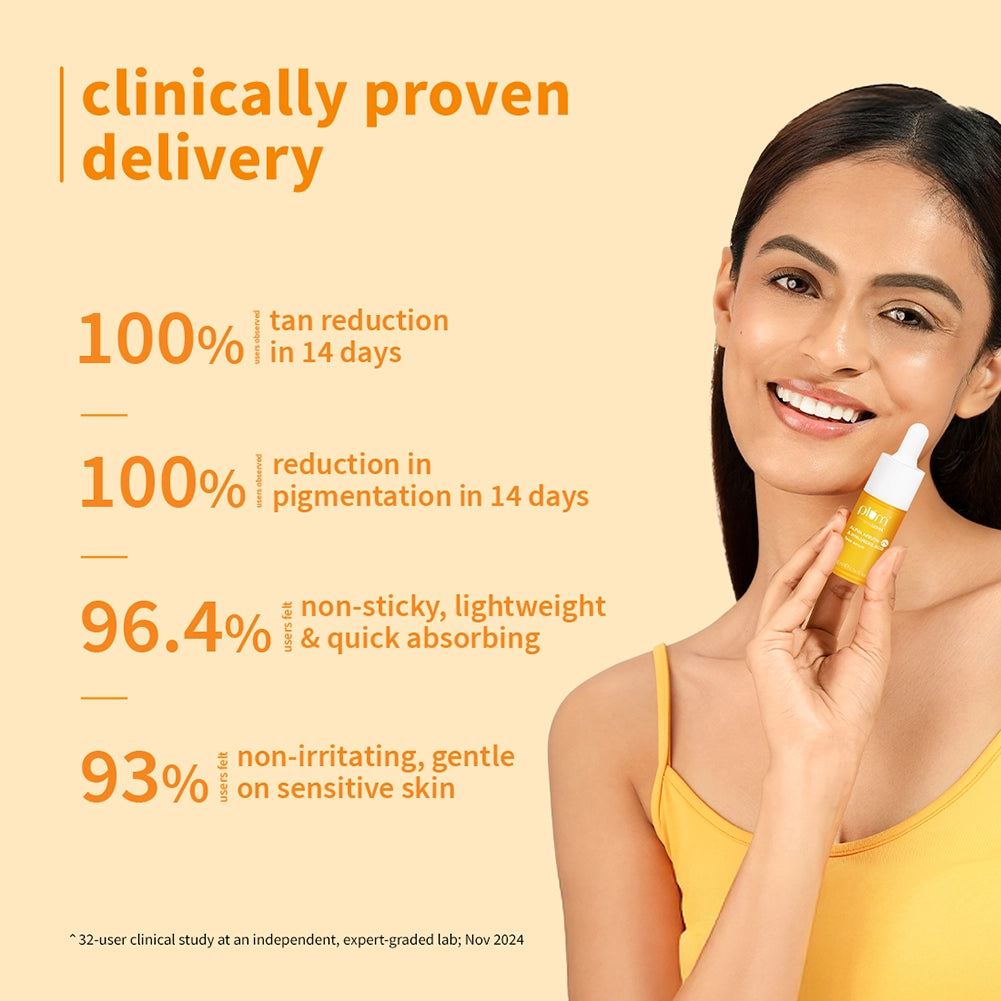
Plum's tan removal products are formulated to deliver visible results without compromising your skin barrier. Each formula undergoes stability and efficacy testing to ensure actives like Vitamin C, niacinamide, and alpha arbutin are delivered at concentrations that work — without causing irritation, dryness, or over-sensitization.
Suitable for Indian Skin Types
Indian skin tones are prone to post-inflammatory hyperpigmentation (PIH) — meaning any irritation or inflammation can leave behind dark marks. Plum's tan removal range is developed keeping Indian skin in mind: ingredients are tested for compatibility with melanin-rich skin to ensure effective brightening without unwanted side effects or uneven lightening.
Vegan & Cruelty-Free Products
All Plum tan removal products are 100% vegan and cruelty-free — with no animal-derived ingredients and no animal testing at any stage. You get effective, science-backed tan removal without compromising your values.
Lightweight & Non-Sticky Textures
Heavy, greasy tan removal products are uncomfortable to wear and can lead to breakouts — especially in India's humid climate. Plum's formulas prioritize lightweight, fast-absorbing textures that layer seamlessly under moisturizer and sunscreen without pilling or feeling heavy on skin.
Frequently Asked Questions
Which products are best for tan removal?
The best products for tan removal include those with vitamin C, alpha arbutin, white clay, glycolic acid, aloe vera, and licorice extract.
Are tan removal products good for the skin?
Yes, when used correctly, they can improve skin tone, reduce pigmentation, and restore the skin's natural brightness.
What are the benefits of tan removal products on the face?
They help reduce dark spots, even out skin tone, and provide a brighter, more radiant complexion.
How to use tan removal products?
Use oil-free moisturizer twice daily, in the morning and evening, as part of your regular skincare routine.
When to use tan removal products?
Use them as part of your daily skincare routine and always follow up with sunscreen during the day to prevent further tanning.
How long does tan removal take?
Results vary depending on the depth of tan, skin type, and consistency of use. Surface tan from recent sun exposure can fade in 2–4 weeks with regular exfoliation and brightening products. Deeper pigmentation or long-standing tan may take 6–12 weeks of consistent use combined with daily SPF. Using a Vitamin C serum, exfoliant, and broad-spectrum sunscreen together delivers the fastest visible results.
Can tan removal products remove pigmentation?
Yes, but it depends on the type of pigmentation. Sun-induced hyperpigmentation and tan respond well to brightening actives like Vitamin C, alpha arbutin, niacinamide, and glycolic acid. Post-inflammatory hyperpigmentation (dark spots left by acne or injuries) also responds to these ingredients but may take longer. Deep dermal pigmentation (like melasma) requires dermatological treatment in addition to over-the-counter products.
Should I use sunscreen after tan removal?
Absolutely — this is non-negotiable. Tan removal products (especially those with AHAs, BHAs, or Vitamin C) increase your skin's photosensitivity. Without SPF 50 PA++++ every morning, UV rays will re-trigger melanin production and undo your tan removal progress. Sunscreen isn't optional in a tan removal routine — it's the step that makes everything else work.
Which ingredient is best for tan removal?
There's no single “best” ingredient — the most effective approach combines multiple actives. Vitamin C fades existing tan and prevents new pigmentation. Alpha arbutin blocks melanin production. Glycolic acid (AHA) exfoliates tanned surface cells. Niacinamide reduces melanin transfer and evens skin tone. Used together with daily SPF 50, these ingredients deliver comprehensive, visible tan reduction.
Can I use tan removal products daily?
It depends on the product type. Vitamin C serums, niacinamide serums, and brightening moisturizers can be used daily. Exfoliating products with AHAs or BHAs should be limited to 2–3 times a week to avoid over-exfoliation and barrier damage. Face masks are typically used 1–2 times a week. Always follow product instructions and watch for signs of irritation — if redness or sensitivity develops, reduce frequency.
Are tan removal products suitable for sensitive skin?
Yes, with the right formulations. Sensitive skin should avoid high-concentration AHAs and strong chemical exfoliants. Instead, look for gentle brightening ingredients like niacinamide (2–5%), low-concentration Vitamin C (5–10%), aloe vera, and licorice extract. Always patch test a new product on the inner forearm for 24 hours before applying to the face. Plum's tan removal range includes formulas tested for sensitive skin compatibility.
What is the best tan removal routine for summer?
Morning — gentle face wash → Vitamin C serum → lightweight moisturizer → SPF 50 PA++++ sunscreen. Night — gentle face wash → exfoliating toner (2–3x/week) or niacinamide serum → moisturizer. Weekly — de-tan face mask (1–2x/week). The key additions for summer: reapply sunscreen every 2–3 hours outdoors, stay hydrated, and avoid exfoliating on days you'll have extended sun exposure.
Can I use face tan removal products on the body?
Some face tan removal serums and creams can be used on the neck and décolletage, but they're typically too expensive and concentrated for large body areas. For body tan removal — arms, legs, back — use body-specific products like tan removal body scrubs, body lotions with brightening ingredients, or body washes with AHAs. These are formulated in textures and pack sizes suited for larger surface areas.


