




Sunscreen for teens
Teenagers’ skin is not as mature as that of adults and therefore can be more vulnerable to sun damage. If proper care is not taken, dark spots and signs of photoaging can start to appear before you know it.
For growing teenagers with developing skin cells, UV exposure can cause photoaging, hyperpigmentation, and even skin cancer. It might not be directly visible now, but in the future this damage can become more evident on your skin, hampering your skin’s glow and radiance.
Therefore, using the best sunscreens for teenagers is important for the young and evolving teenage skin.
What is the science of sun damage for young skin?
Our sun emits two main types of harmful rays:
-
UVA rays: Take ‘A’ for aging in UVA rays. These rays go deep, breaking down collagen, causing wrinkles, and making skin saggy over time.
-
UVB rays: Here, B is for burn. These types of light rays can cause direct damage, i.e, redness, peeling, and that painful sunburn feeling.
What are the different types of sunscreen for teens?
Choosing the right teenage sunscreen can be tricky. With so many options, where do you start? Let’s break it down.
Mineral vs. Chemical sunscreens
-
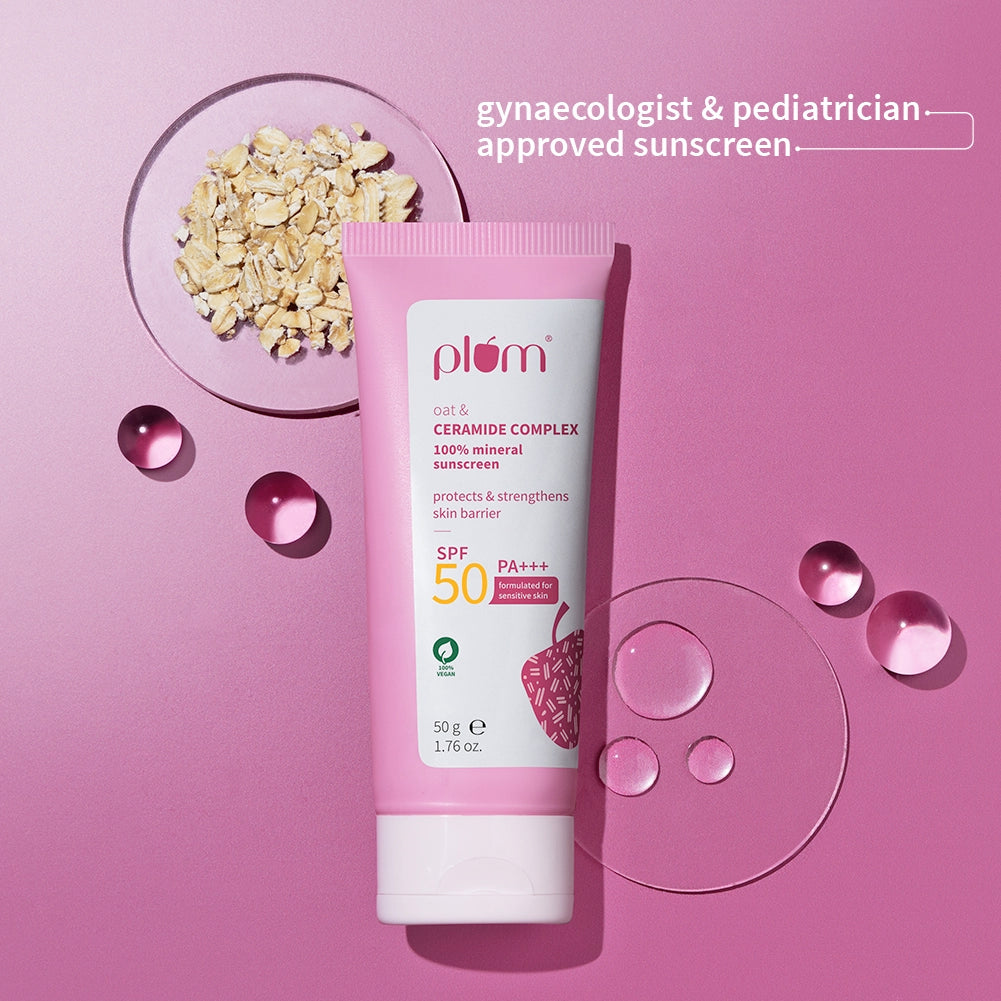
Mineral sunscreens: They contain FDA-approved natural minerals like zinc oxide and titanium dioxide. These formulas sit on top of the skin and physically block UV rays before they can penetrate the dermis. As they are mild on your skin, they are ideal for sensitive skin too.
-
Chemical sunscreens: Absorb into the skin and convert UV rays into heat. While they are great for everyday wear, some formulas can irritate acne-prone skin.
-
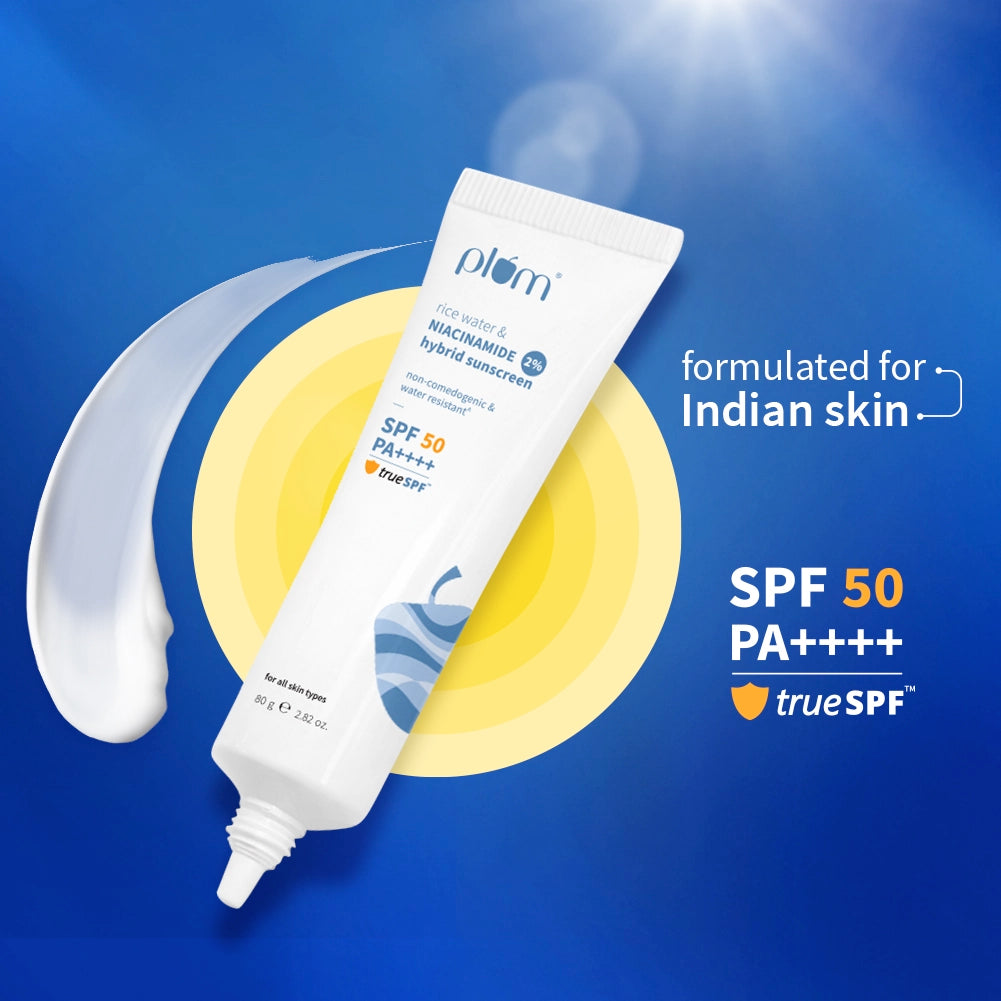
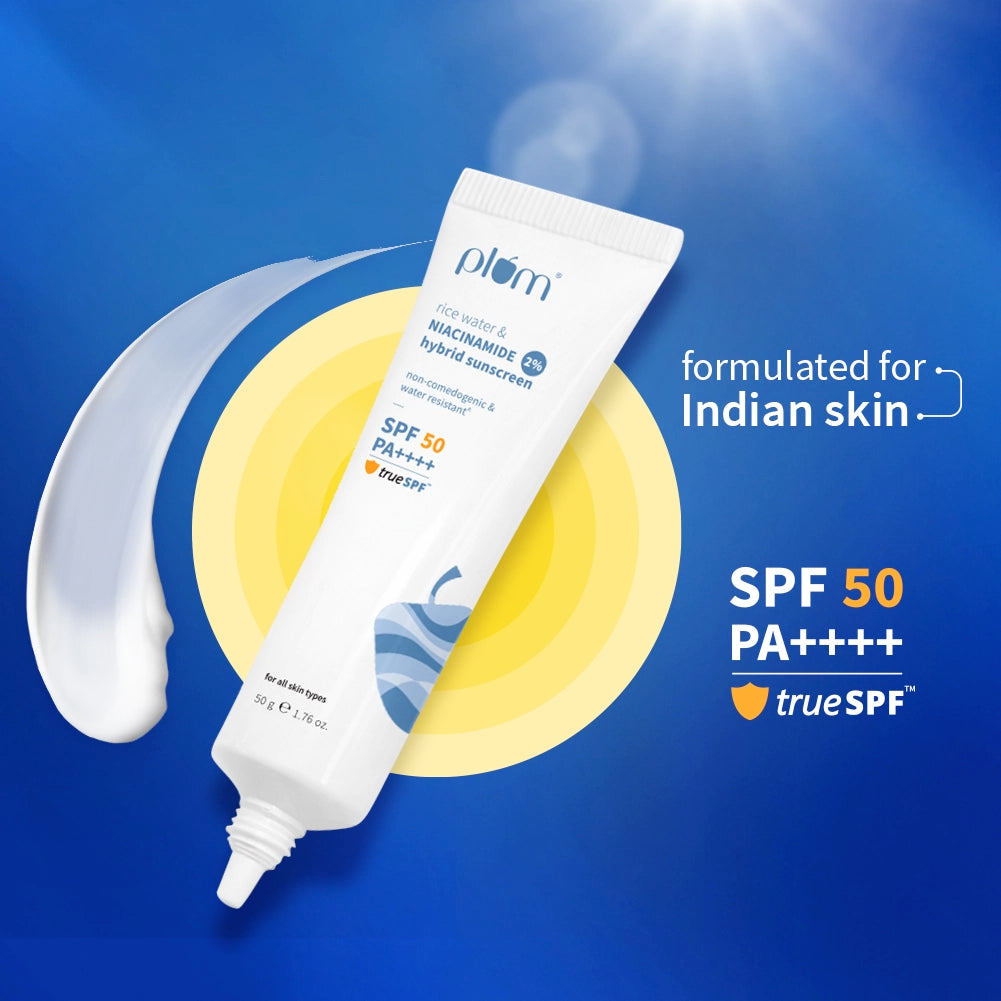
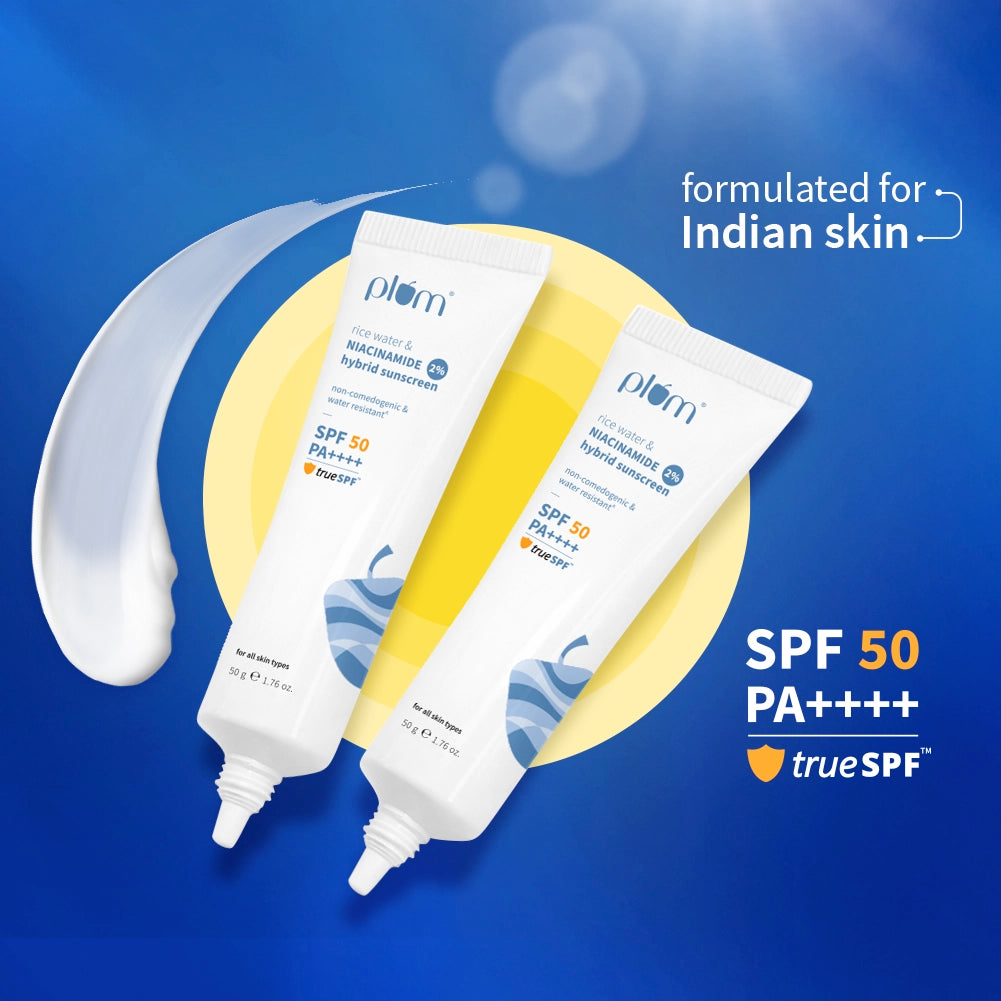
Hybrid sunscreens: They contain both mineral and chemical UV filters that are mild on your skin, provide all-around sun protection,n and do not clog pores.
What to consider while opting for sunscreens?
-
For everyday use, opt fora formula with a minimum SPF of 30. For beach, sports, and swimming, choose SPF 50 and opt for water-resistant formulas.
-
Avoid ingredients like:
Oxybenzone & octinoxate: These can be hormone disruptors.
Alcohol-based formulas: It can potentially dry out the skin and lead to sensitivity.
How to choose the best sunscreen for teens?
During the teen years, your skin is delicate and ever-evolving. It not only needs regular production but also nourishment daily. For best results, here are a few key ingredients to look for in your sun protection formula-
-
Zinc oxide and titanium dioxide:
They are key components in mineral sunscreens and are suitable for all skin types, including sensitive skin. -
Niacinamide:
Niacinamide brightens the skin, regulates oil production, and helps to minimize redness. -
Hyaluronic acid:
It is an intensely hydrating ingredient that penetrates your skin to lock moisture, for long hours.
-
Antioxidants (Vitamin E and C):
These antioxidants keep those skin problems in check caused by pollution damage and stress.
Tips for teenage skin that is acne-prone or sensitive
-
Choose oil-free, non-comedogenic, hypoallergenic, and unscented formulas.
-
Avoid thick, heavy creams gel-based sunscreens work best for your skin.
-
If breakouts are an issue, opt for hybrid or mineral sunscreens to keep all risks at bay.
How to place Sunscreen into a teenager’s habit?
Turning sunscreen into an everyday essential is a must. If you’re new to skincare, here’s how you can make it a habit to never miss out on your sun protection:
-
Have a simple morning skincare routine: Just because you are young, doesn't mean your skin won’t benefit from regular skincare. Incorporate a minimalistic skincare routine into your lifestyle, inclusive of cleansing, moisturizing, and protecting. .
-
Reapply every 3-4 hours: Carry a travel pack of sunscreen with you everywhere you go, be it school or for tuition classes. Keeping the product accessible will help maintain consistency.
-
Use multitasking products: If you’re always on the go, you can use multi-tasking products infused with active ingredients to provide overall nourishment and protection to your skin. Multitasking products are not only versatile but also simplify skincare routines.
The best sunscreen for teenage skin is the one you’ll actually use. So find a formula you love and make it part of your daily routine.
frequently asked questions
At what age should teenagers start using sunscreen daily?
Dermatologists recommend starting daily sunscreen as early as possible, typically from age 6 onwards and definitely by the teenage years. The earlier you build the habit, the better protected your skin is from UV-related damage, tanning, and long-term skin concerns.
Can sunscreen help prevent acne marks and pigmentation in teens?
Yes. UV exposure makes acne marks, post-pimple dark spots, and pigmentation significantly darker and longer-lasting. A non-comedogenic sunscreen shields those spots from the sun, allowing them to fade faster and more evenly over time.
How often should teenagers reapply sunscreen during the day?
Reapply every 2 to 3 hours when outdoors, or immediately after swimming or sweating. For school days with mostly indoor time, a morning application and one reapplication after lunch is a good habit to build.
Is mineral sunscreen better for sensitive teenage skin?
Mineral sunscreens with zinc oxide or titanium dioxide sit on the skin's surface and are less likely to irritate or trigger breakouts, making them a solid choice for sensitive or acne-prone teenage skin. However, modern chemical sunscreens that are dermatologically tested can also work well. The key is choosing one that is non-comedogenic.
Can teenagers use sunscreen even when staying indoors?
Yes and they should. UVA rays which cause tanning and early ageing pass through glass windows. If you sit near a window or spend time in front of screens, daily sunscreen application still makes sense. It is a 2-minute habit that protects skin in the long run.


