
























All you need to know about sunscreens
Sunscreen is a skincare product designed to protect the skin from the harmful effects of the sun's ultraviolet (UV) rays. UV rays from the sun can cause damage to the skin, including sunburns, premature ageing, and an increased risk of skin cancer.
By using the best sunscreen, you can reduce the risk of these harmful effects and maintain the health of your skin. To learn more about the benefits of sunscreen, feel free to check out our blog linked here. Whether you're spending a day at the beach or running daily errands, sun cream acts as a vital barrier, ensuring your skin stays protected & nourished.
Best Sunscreens for Men & Women in India
Finding the right sunscreen in India isn't just about SPF — it's about a formula that holds up against humidity, heat, and pollution without leaving a greasy residue or white cast. Plum's sunscreen range is designed specifically for Indian skin tones and climate conditions, offering options for every skin type:
Lightweight gel sunscreens for oily and acne-prone skin
Dewy, hydrating sunscreens for dry and sensitive skin
Matte-finish formulas for combination skin
Mineral sunscreens for sensitive, pregnant, or reactive skin
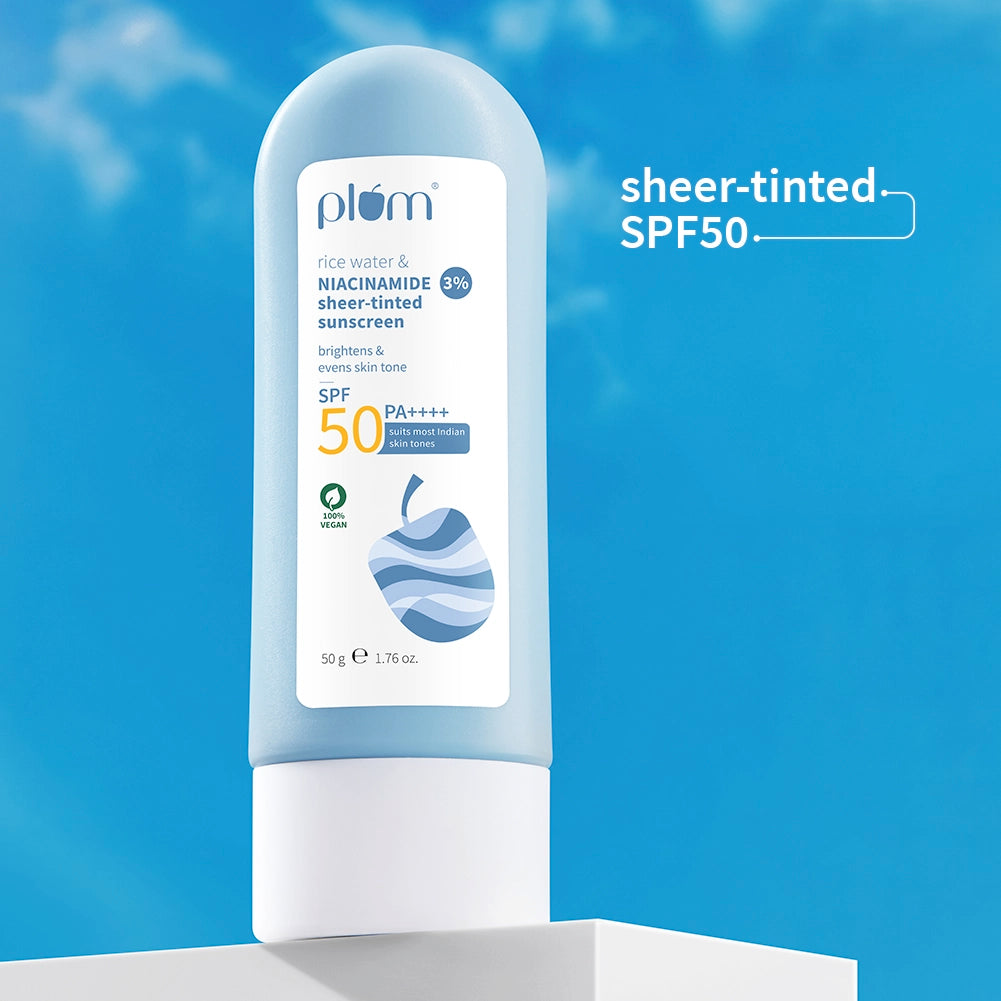
Tinted sunscreens for a natural, even-toned finish
SPF 50 PA++++ options for maximum broad-spectrum protection
All Plum sunscreens are 100% vegan, cruelty-free, paraben-free, and dermatologist-tested — suitable for daily use by both men and women.
Benefits of Sunscreen for Men & Women
Sunscreen isn't just for beach days — it's the single most important step in any daily skincare routine. Here's what consistent sunscreen use does for your skin:
Prevents sunburn: SPF blocks UVB rays — the primary cause of painful, red, peeling sunburns — especially critical in India's high-UV climate.
Slows premature ageing: Up to 80% of visible skin ageing (wrinkles, fine lines, sagging) is caused by UV exposure. Daily sunscreen use significantly slows this process.
Reduces hyperpigmentation & tan: UVA rays trigger excess melanin production, leading to dark spots, uneven skin tone, and tan. Sunscreen with PA++++ rating blocks UVA effectively.
Lowers skin cancer risk: Regular SPF use is one of the most clinically proven ways to reduce the risk of melanoma and other UV-induced skin cancers.
Keeps acne marks from darkening: UV exposure makes post-acne marks (PIH) darker and harder to fade. Sunscreen protects active blemishes and helps existing marks heal faster.
For men: Sunscreen helps protect skin that's regularly exposed during outdoor commuting, sports, or work — especially on the face, neck, and arms.
For women: Sunscreen can be layered under makeup and enhances the effectiveness of brightening serums and Vitamin C by preventing UV-induced reversal of those ingredients' effects.
Physical vs. chemical sunscreen
There are two main types of sunlight cream namely chemical and physical.
Chemical: These sun creams work by turning the UV rays into heat and releasing them from the skin and typically have a lighter, more easily absorbed texture and are less visible on the skin.
Physical: These sunlight creams work by reflecting UV rays away from the skin. They contain active ingredients such as zinc oxide or titanium dioxide, which act as a physical barrier against the sun's UV rays.
Guidelines for proper sunscreen application
It is recommended to apply sunscreen at least 15 minutes before sun exposure and to reapply every two hours or after swimming or sweating. The best sunscreen should be applied liberally to all exposed skin and should be used in conjunction with other sun protection measures, such as seeking shade, wearing protective clothing, and wearing a hat.
When applying sunscreen, it is important to use enough product to cover all exposed skin. A general rule of thumb is to use about one ounce (or a shot glass full) for every application. Be sure to spread the sun cream evenly, paying extra attention to areas that are more likely to be exposed to the sun, such as the face, neck, arms, and legs. You can read more on our blog: How to apply sunscreen on face?
Importance of daily sunscreen application
Yes, it is recommended to apply sunscreen every day, regardless of weather conditions or time spent outdoors. The sun's UV rays can penetrate clouds and windows and can cause damage to skin even on cloudy or overcast days. Daily use with a minimum SPF of 30 can help reduce the risk of skin damage, premature ageing, and skin cancer. It is important to reapply every 2 hours, or immediately after swimming or sweating, to maintain its effectiveness. You can read more on our blog: Do you really need sunscreen every day?
Protecting your skin from sun damage and its effects
Sunburns: Sunburns can cause painful, red, and peeling skin. In severe cases, sunburn can even lead to blistering and skin infections. By using the best sunscreen for face, you can reduce the risk of sunburn and enjoy comfortable, pain-free skin.
Premature ageing: Sun exposure can cause premature ageing, including fine lines, wrinkles, and age spots. By using the best SPF sunscreen for face, you can protect your skin from the damaging effects of the sun's UV rays and maintain a youthful appearance.
Hyperpigmentation: Sun exposure can cause hyperpigmentation, dark spots, and uneven skin tone. With accurate usage, you can maintain a uniform skin tone and avoid dark spots caused by sun exposure.
Skin irritation: Sun exposure can cause skin irritation, especially in people with sensitive skin. With careful usage, you can protect your skin from sun-induced irritation and maintain comfortable, healthy skin.
Skin cancer: The sun's UV rays are a major cause of skin cancer, including melanoma. By using the best SPF sunscreen for face, you can reduce your risk of skin cancer and protect your health.
Sunscreen for Oily & Acne-Prone Skin
The biggest challenge for oily and acne-prone skin is finding a sunscreen that protects without adding grease, clogging pores, or triggering breakouts. The solution: look for gel-based, water-light, or fluid sunscreens that are:
Oil-free and non-comedogenic (won't clog pores)
Matte or semi-matte finish to control shine throughout the day
Formulated with acne-fighting ingredients like green tea, zinc, or niacinamide — which control sebum and reduce blemishes while protecting
Free from heavy silicones, mineral oils, or thick emollients that suffocate oily skin
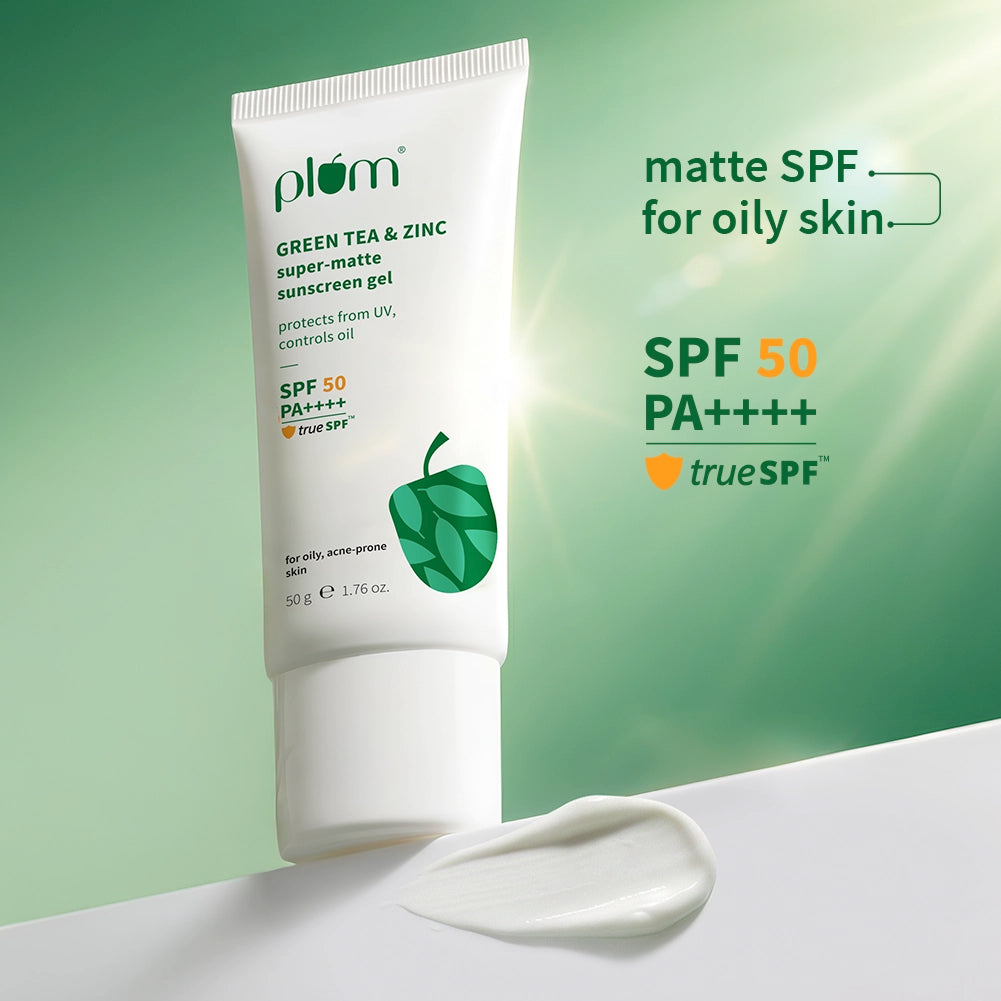
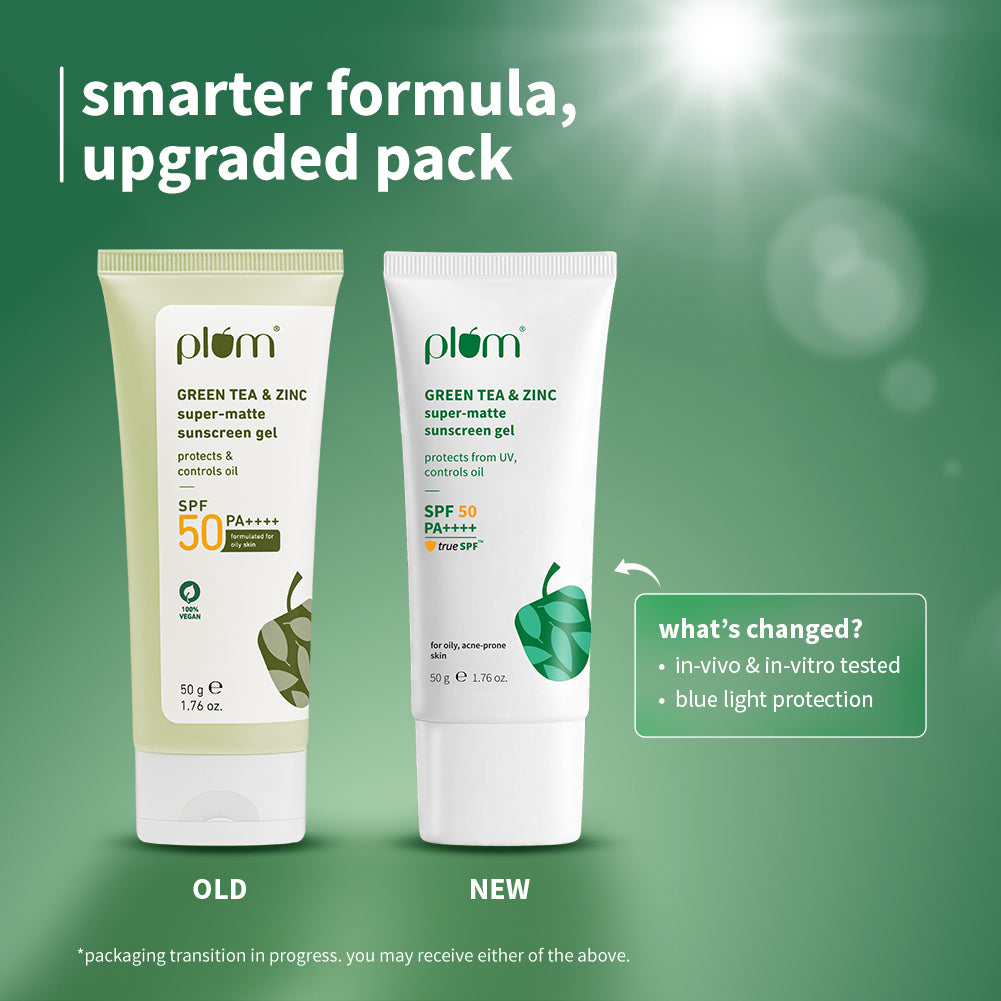
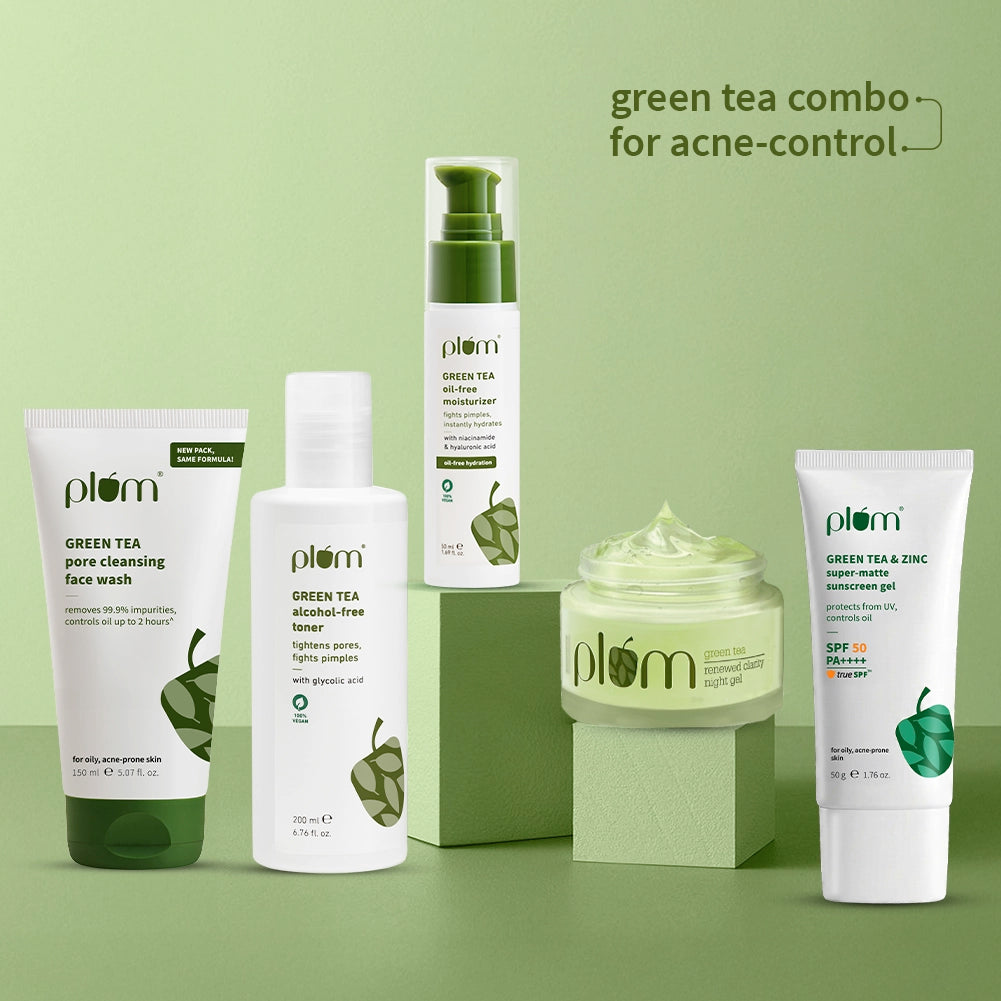
Plum's Green Tea & Zinc Super-Matte Sunscreen Gel (SPF 50 PA++++) is specifically designed for oily and acne-prone skin — with instant oil reduction and up to 120 minutes of water resistance.
Sunscreen for Dry & Sensitive Skin
Dry and sensitive skin needs a sunscreen that not only protects but also actively nourishes and soothes. Avoid chemical sunscreens with alcohol, strong fragrances, or harsh UV filters that can trigger irritation or further dryness. Instead, look for:
Cream or lotion-based formulas with moisturizing agents like squalane, hyaluronic acid, or ceramides
Mineral (physical) sunscreens with zinc oxide or titanium dioxide — gentler on reactive skin as they sit on the skin's surface rather than absorbing into it
Fragrance-free, paraben-free, and alcohol-free formulations
PA++++ rating to protect sensitive skin from UVA-induced inflammation
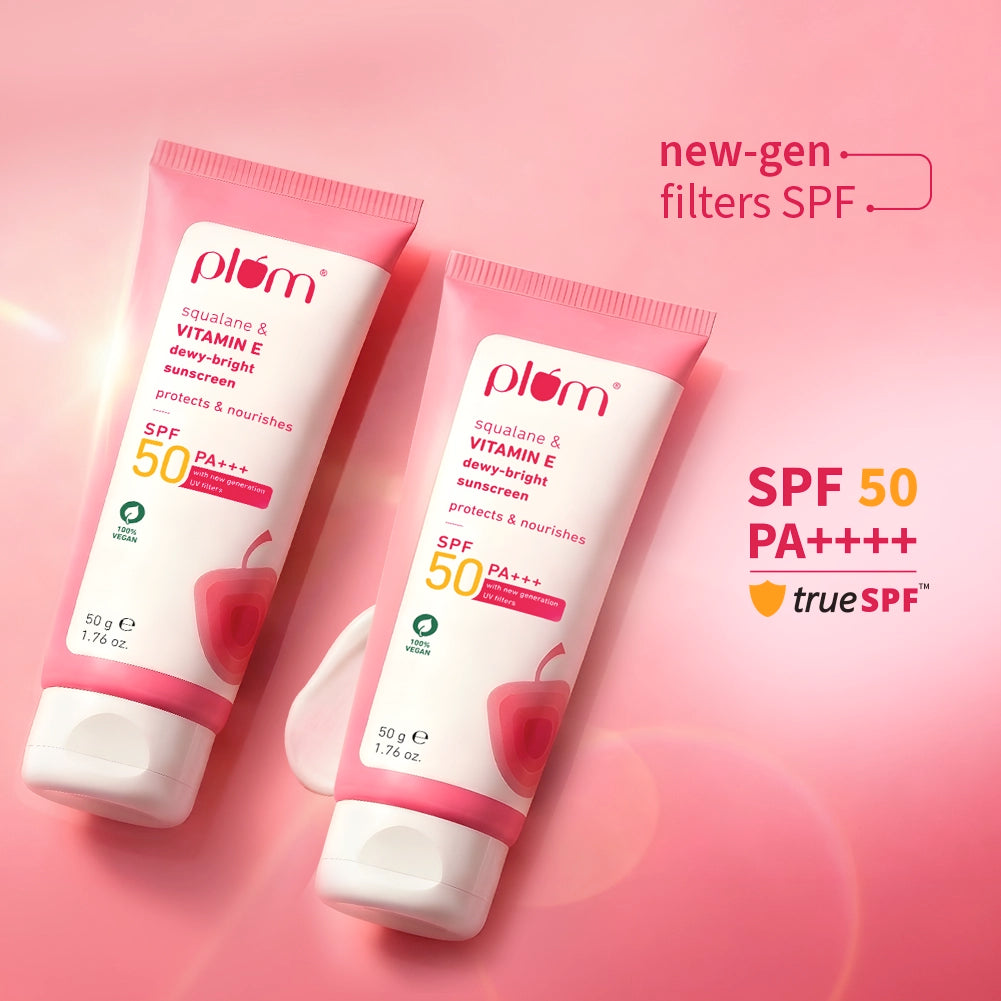
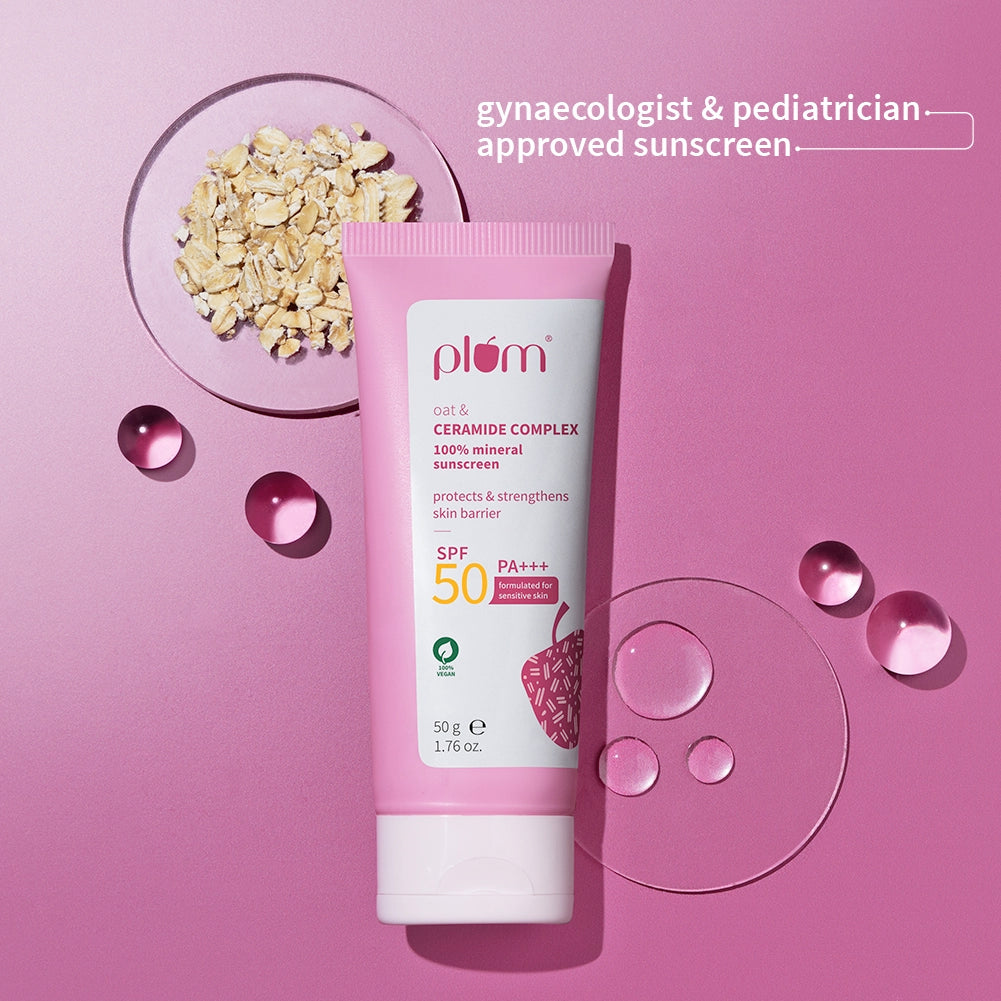
Plum's Squalane & Vitamin E SPF 50 PA+++ Dewy-Bright Sunscreen hydrates dry skin while protecting it, and the Oat & Ceramide 100% Mineral Sunscreen is gynaec-trusted and dermatologist-approved for sensitive, reactive, and pregnancy skin.
Sunscreen for Combination Skin
Combination skin has an oily T-zone (forehead, nose, chin) and drier cheeks — which makes finding the right sunscreen tricky. Too heavy and the T-zone becomes greasy by noon. Too drying and the cheeks feel tight and flaky. The sweet spot: a lightweight fluid or gel-cream sunscreen that balances hydration and oil control across the whole face.
Look for:
Balanced, water-based formulas that hydrate without adding oil
Broad-spectrum SPF 50 PA++++ for full UV coverage
Non-comedogenic ingredients that won't block pores on the oily zone
Skin-loving actives like niacinamide (balances oil) or cica (soothes dry patches)
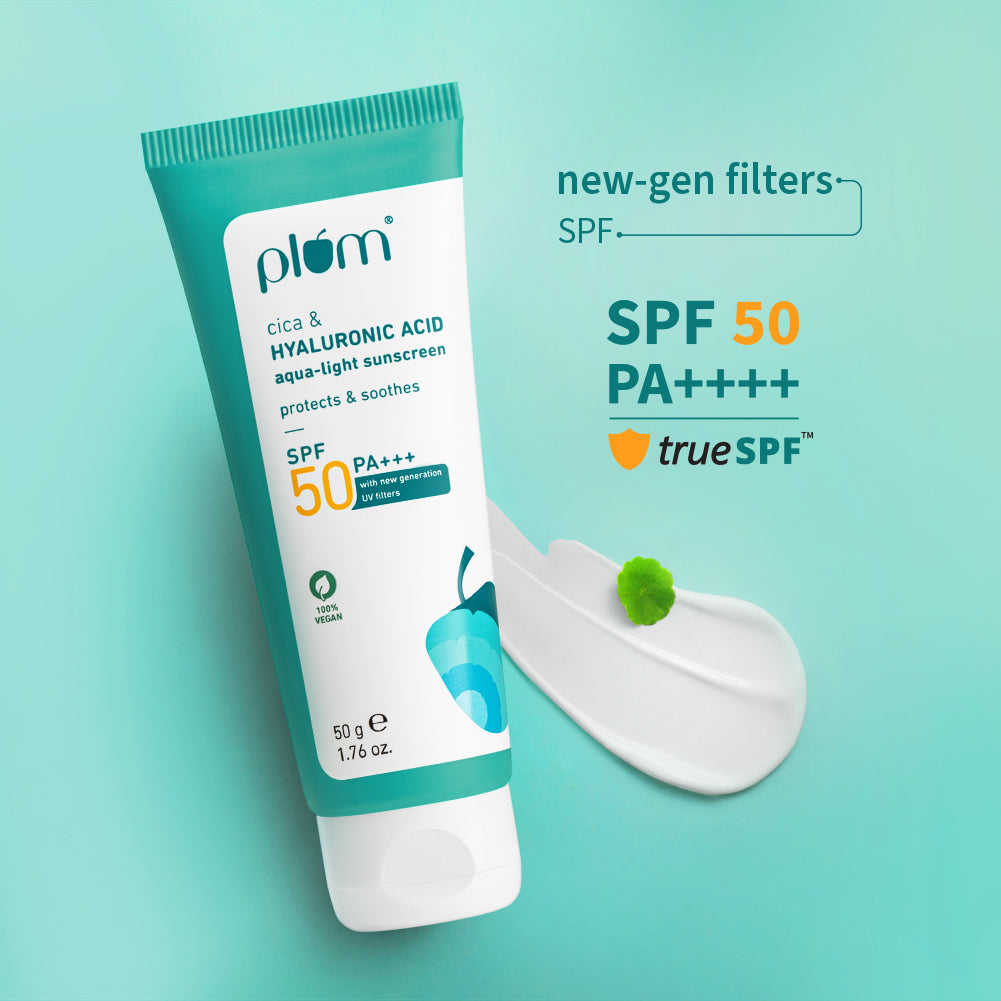
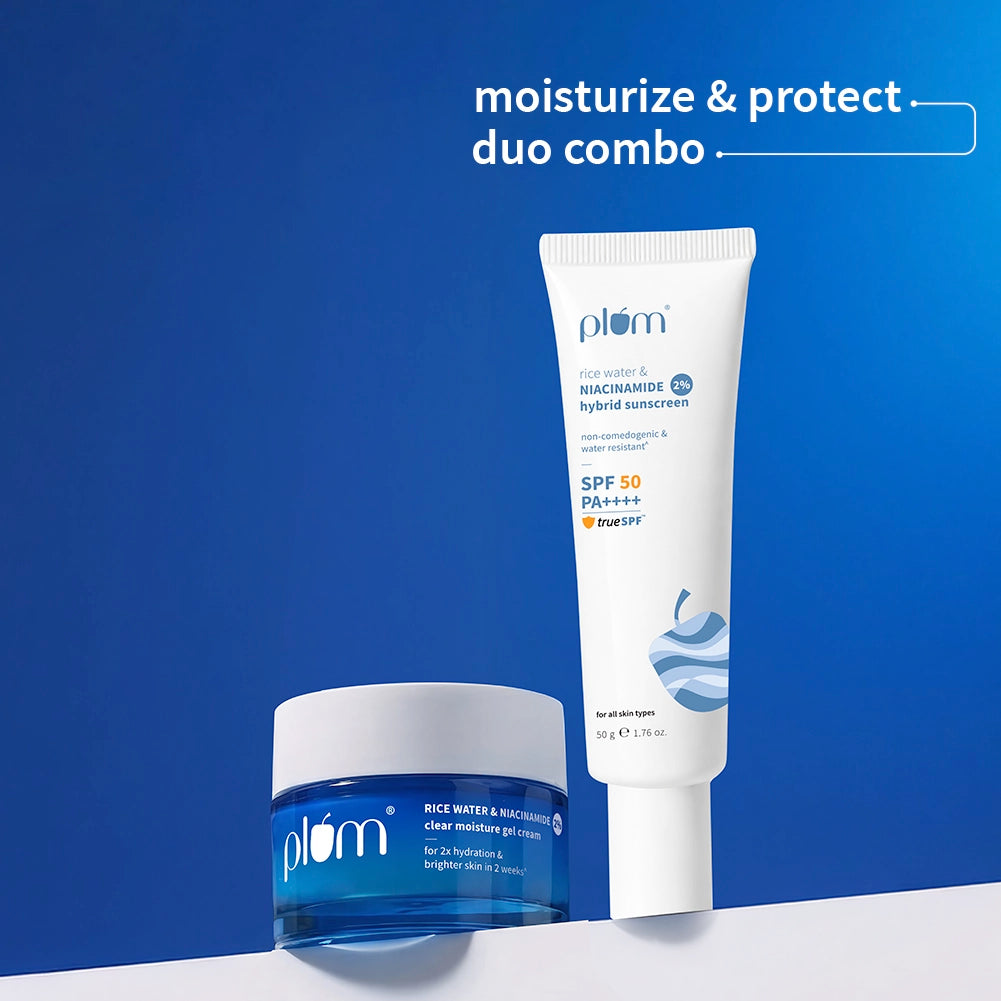
Plum's Cica & Hyaluronic Acid SPF 50 PA+++ Sunscreen and the 2% Niacinamide & Rice Water SPF 50 PA+++ Hybrid Sunscreen both work beautifully for combination skin.
Key factors to consider when choosing sun cream
When selecting, it is important to consider your skin type and any skin concerns you may have. Here are a few tips to help you on how to choose the best sunscreen:
SPF and PA ratings: Look for sunscreen products with a high SPF (sun protection factor) and PA (protection grade of UVA) rating. The higher the SPF and PA rating, the higher the level of protection against the sun's UV rays.
Skin type: Consider your skin type when selecting a sunscreen. Look for the best sunscreen for dry skin which is moisturizing, nourishing & lightweight and sunscreen for oily skin for greasy & open pores skin.
Formula: Sunscreens come in a variety of formulas, including sunscreen creams, serums, lotions, sprays, and sticks. Consider your personal preference and the area of your skin you need to protect when selecting a formula.
Water resistance: If you will be spending time in the water, look for a water-resistant sunscreen to ensure maximum protection.
Ingredients: Be mindful of the ingredients and choose one that is suitable for your skin type and any skin concerns you may have. For example, if you have sensitive skin, look for sunscreen for sensitive skin that is free from fragrances, parabens, and other potential irritants.
Niacinamide Sunscreen Benefits
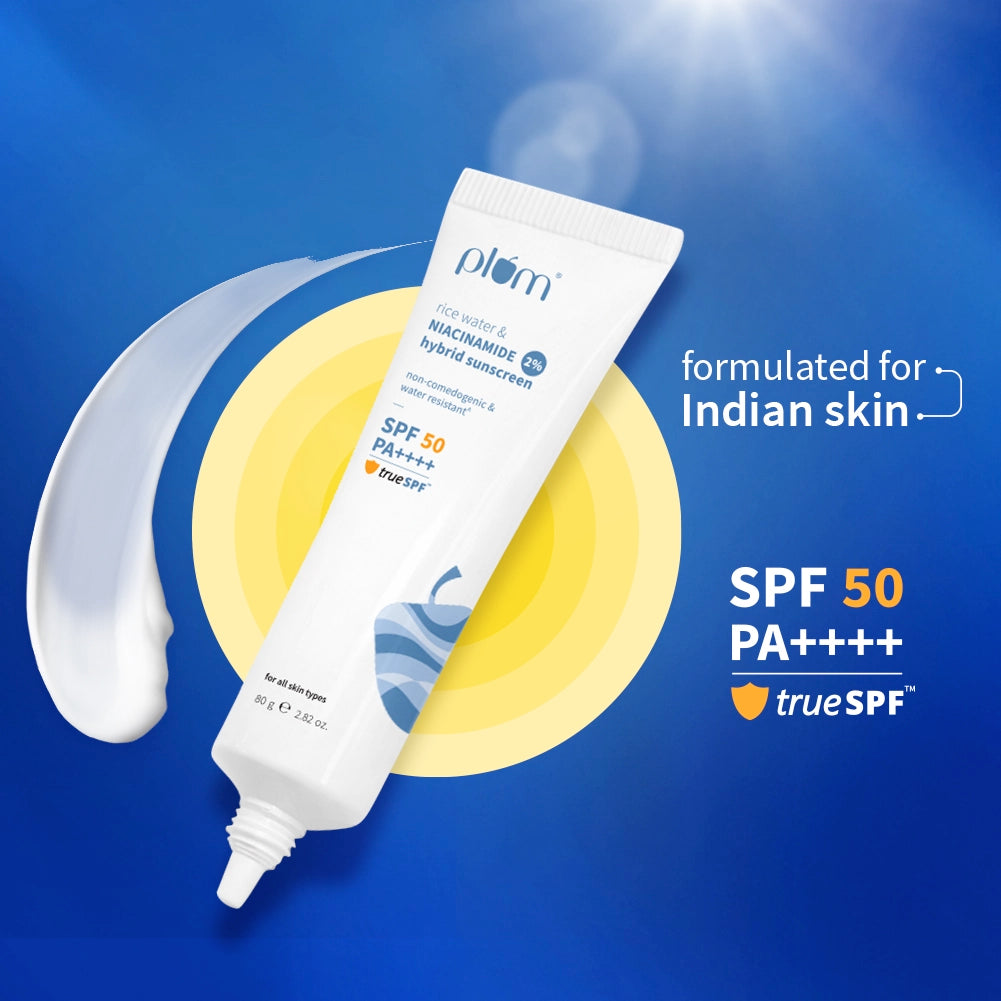
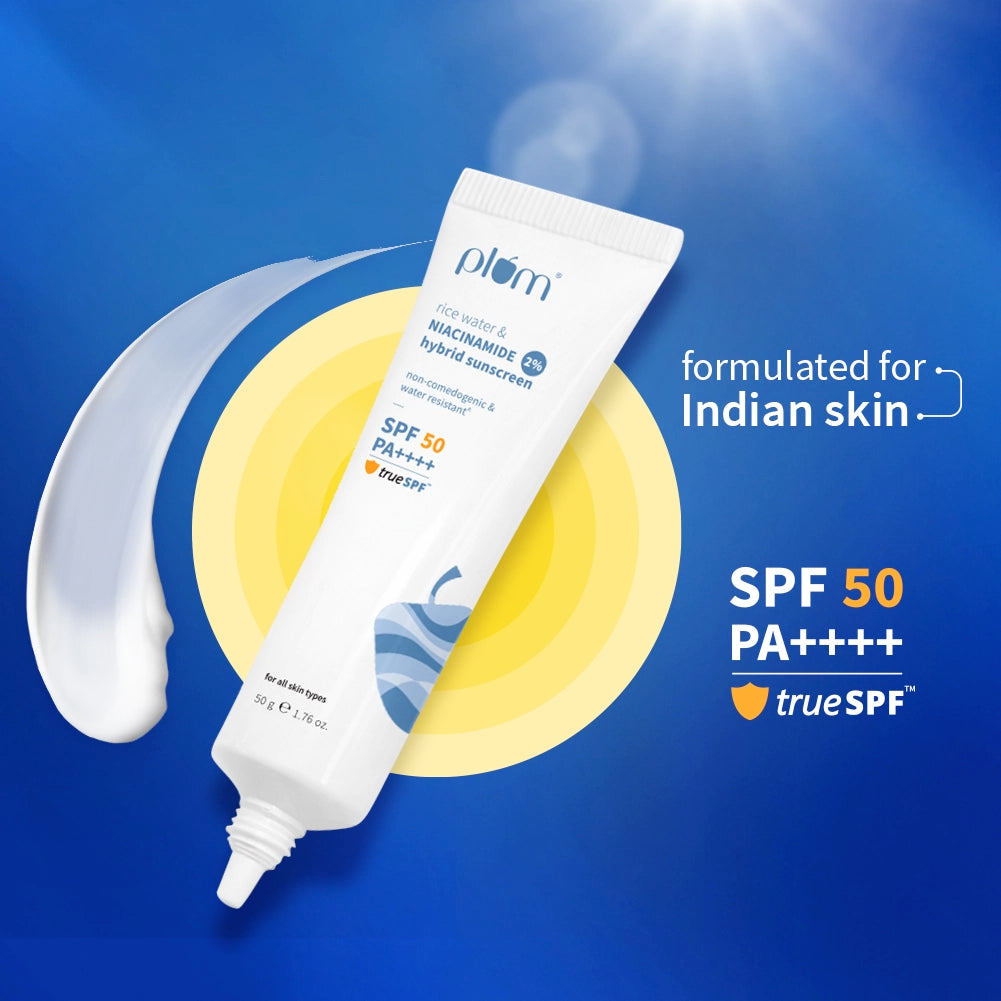
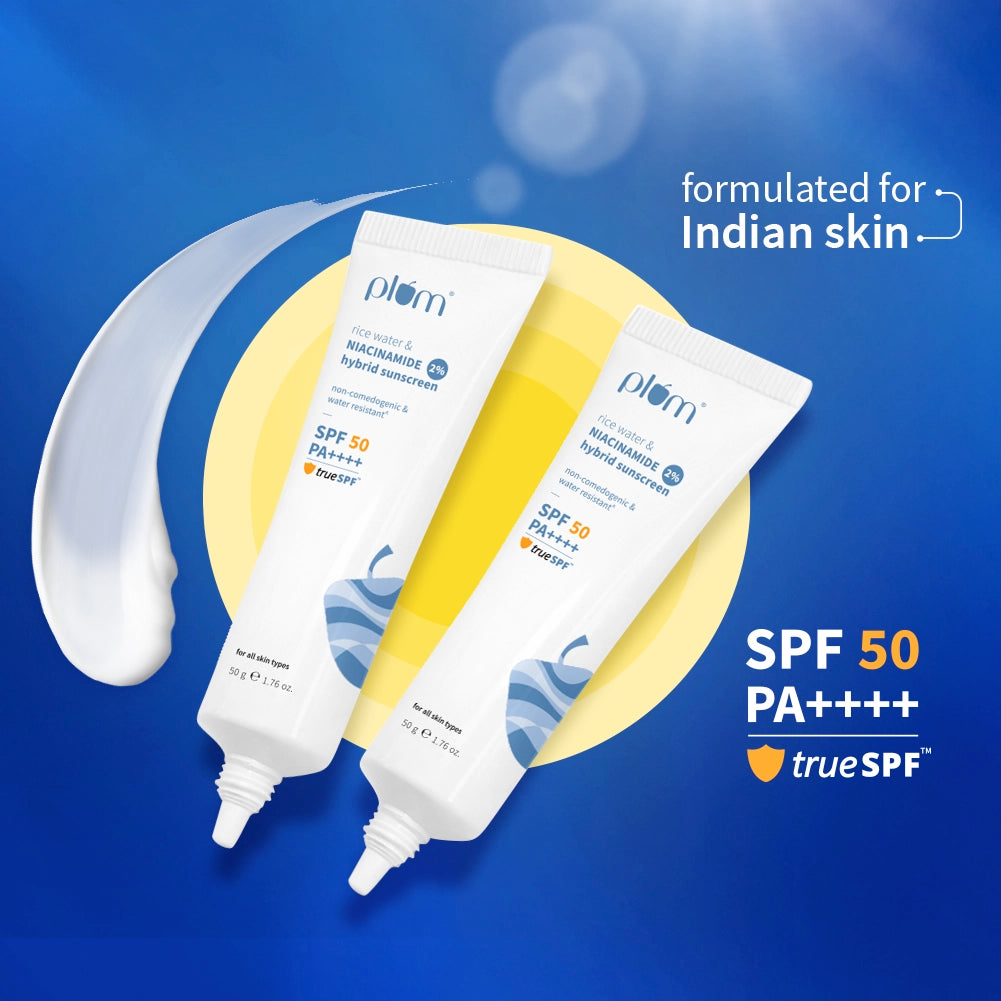
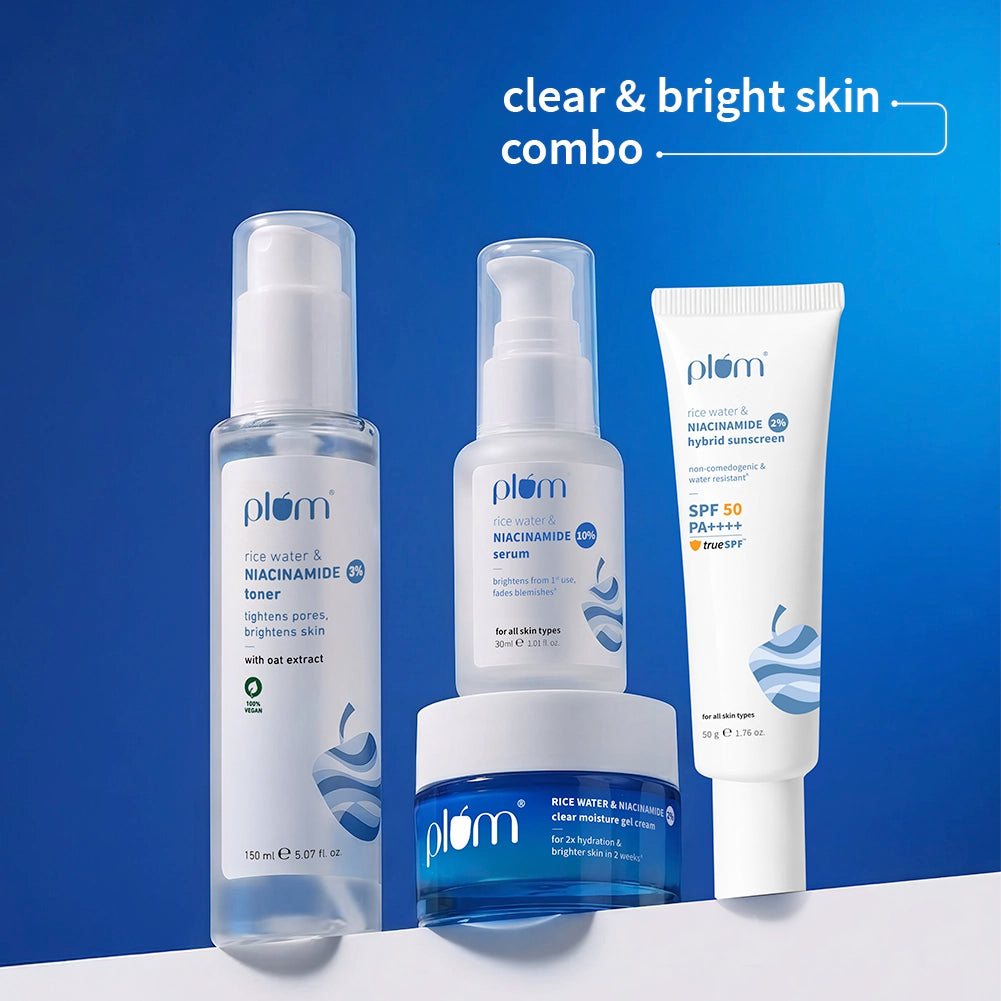
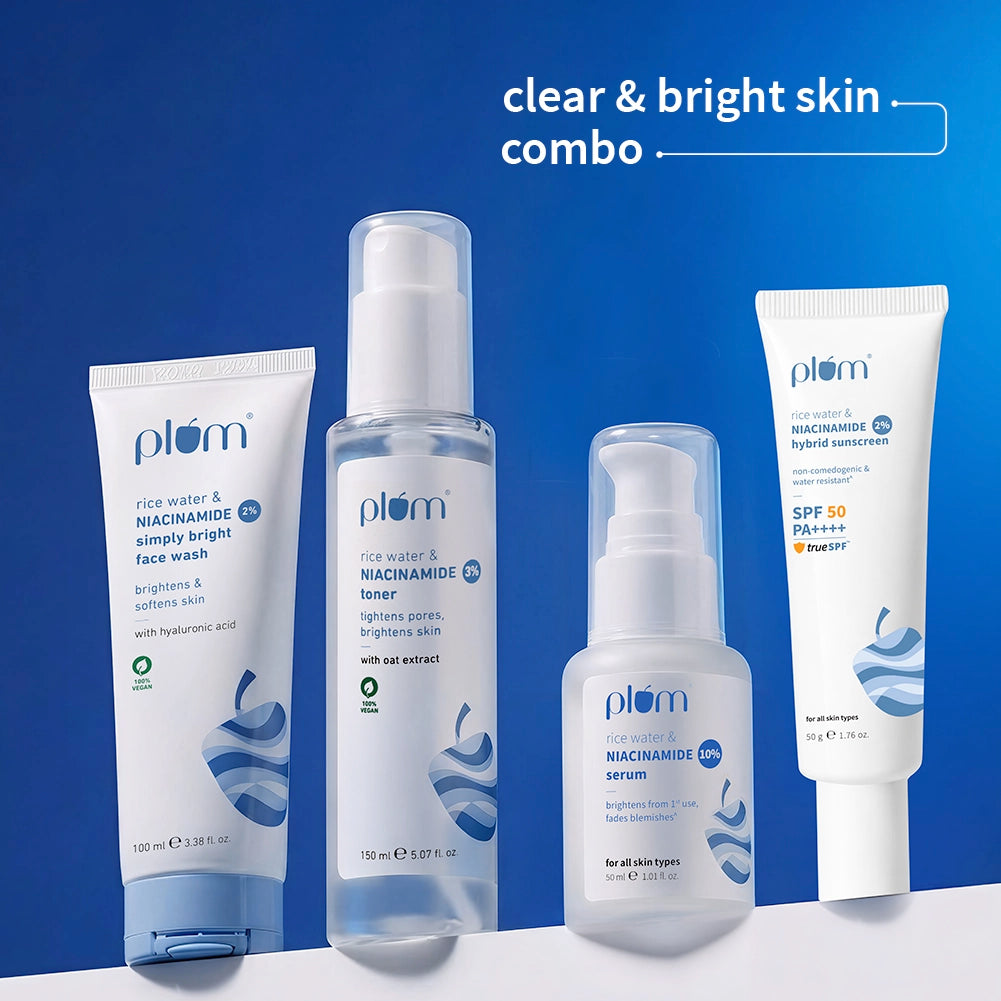
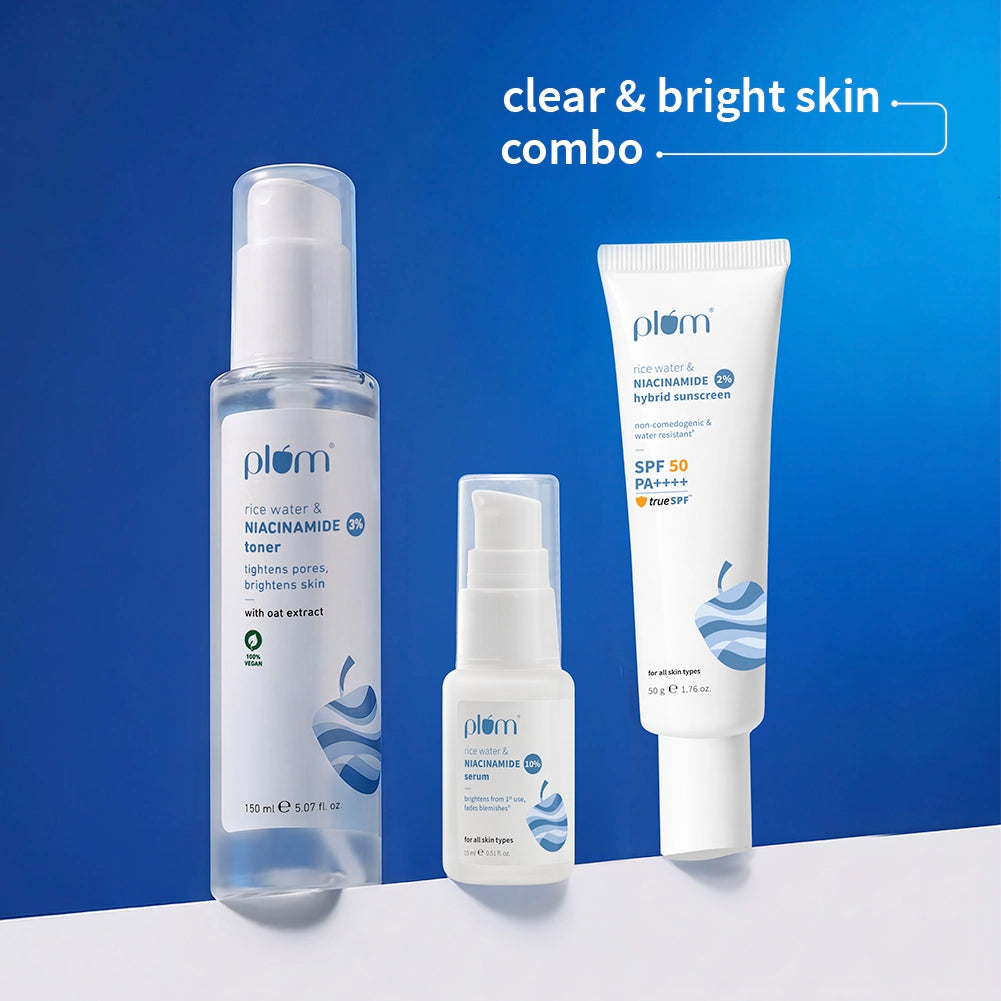
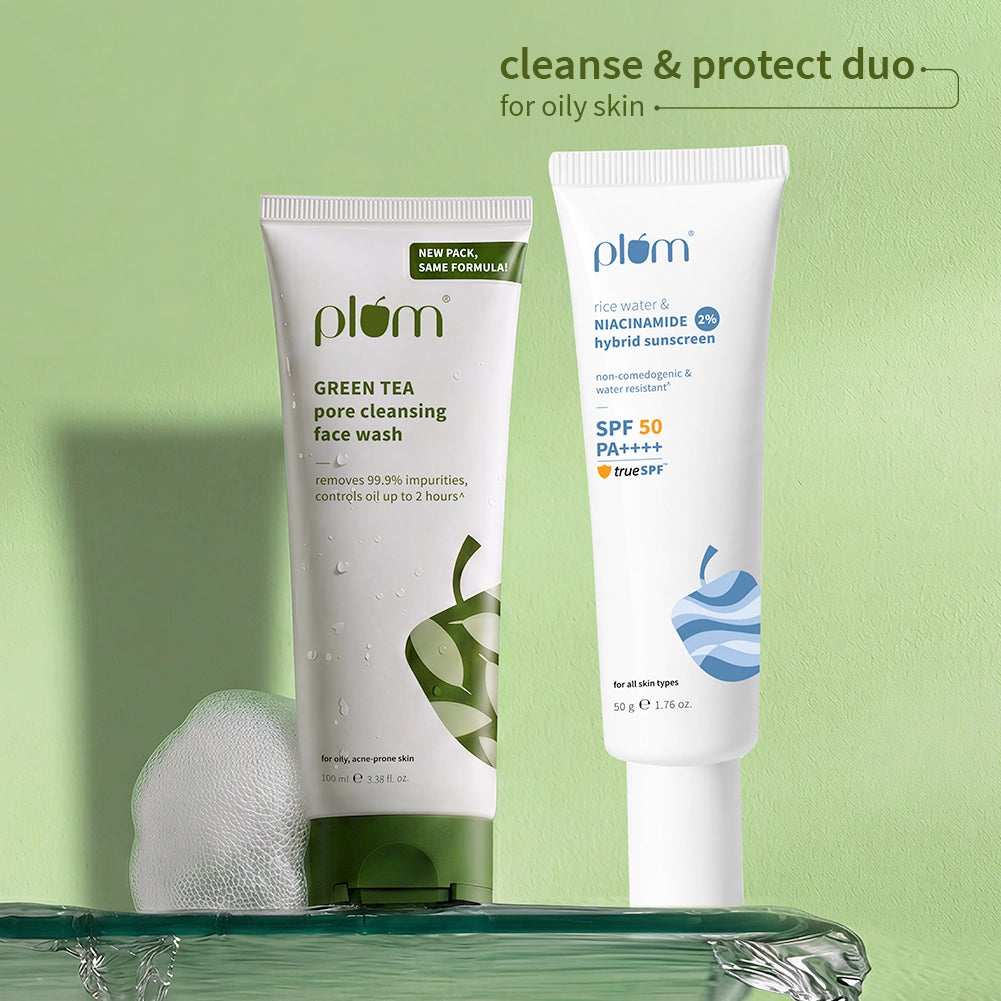
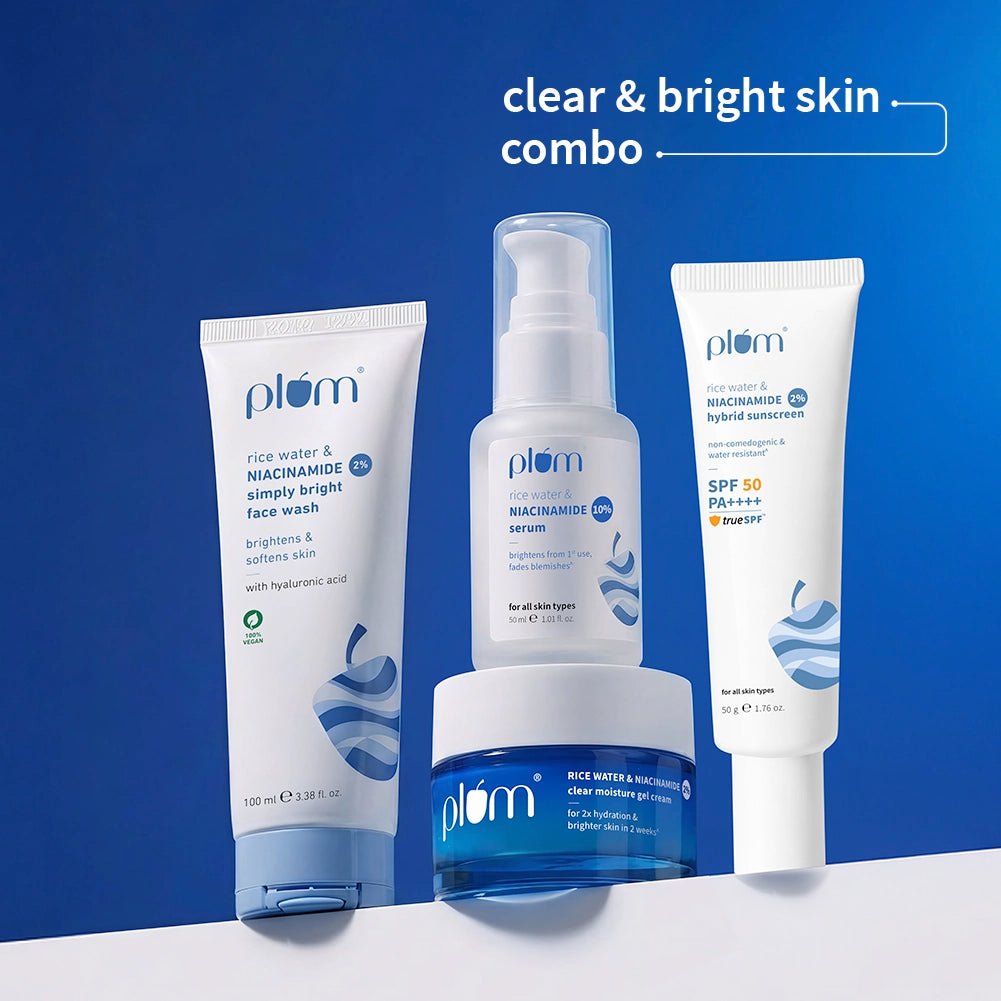
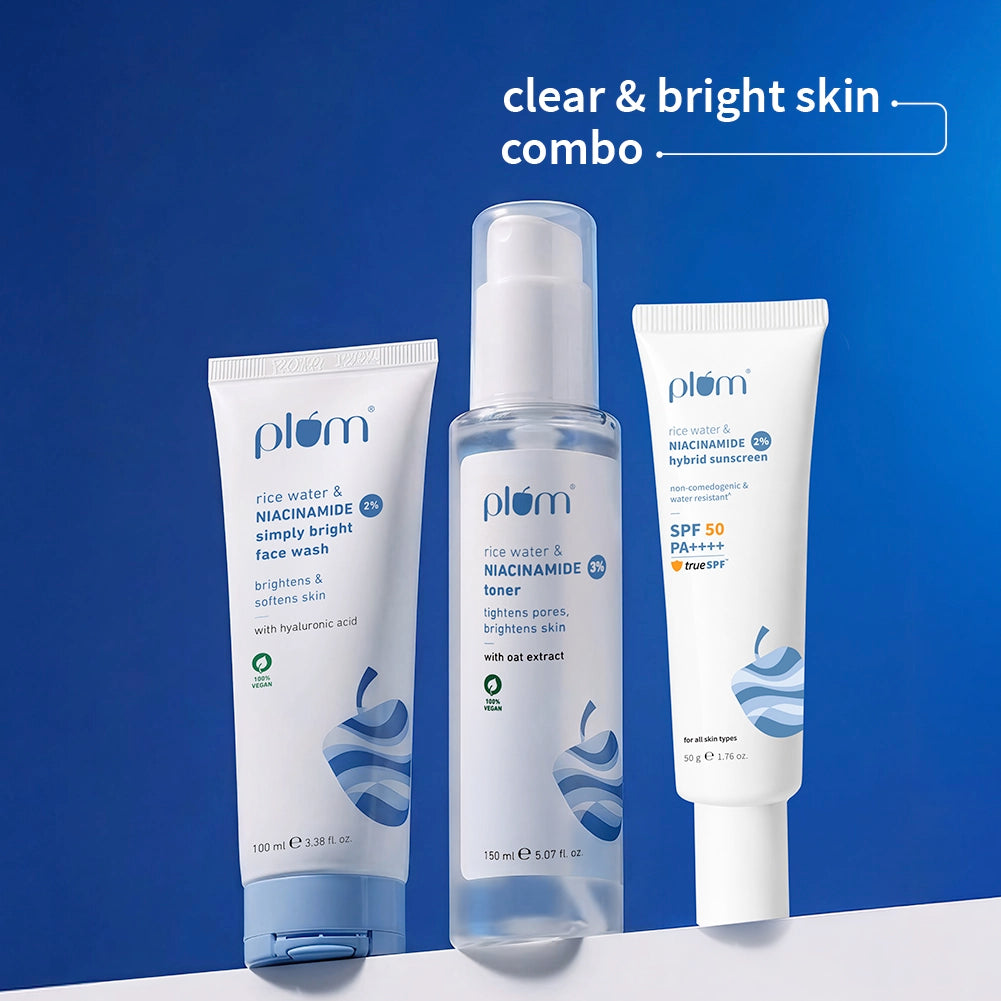
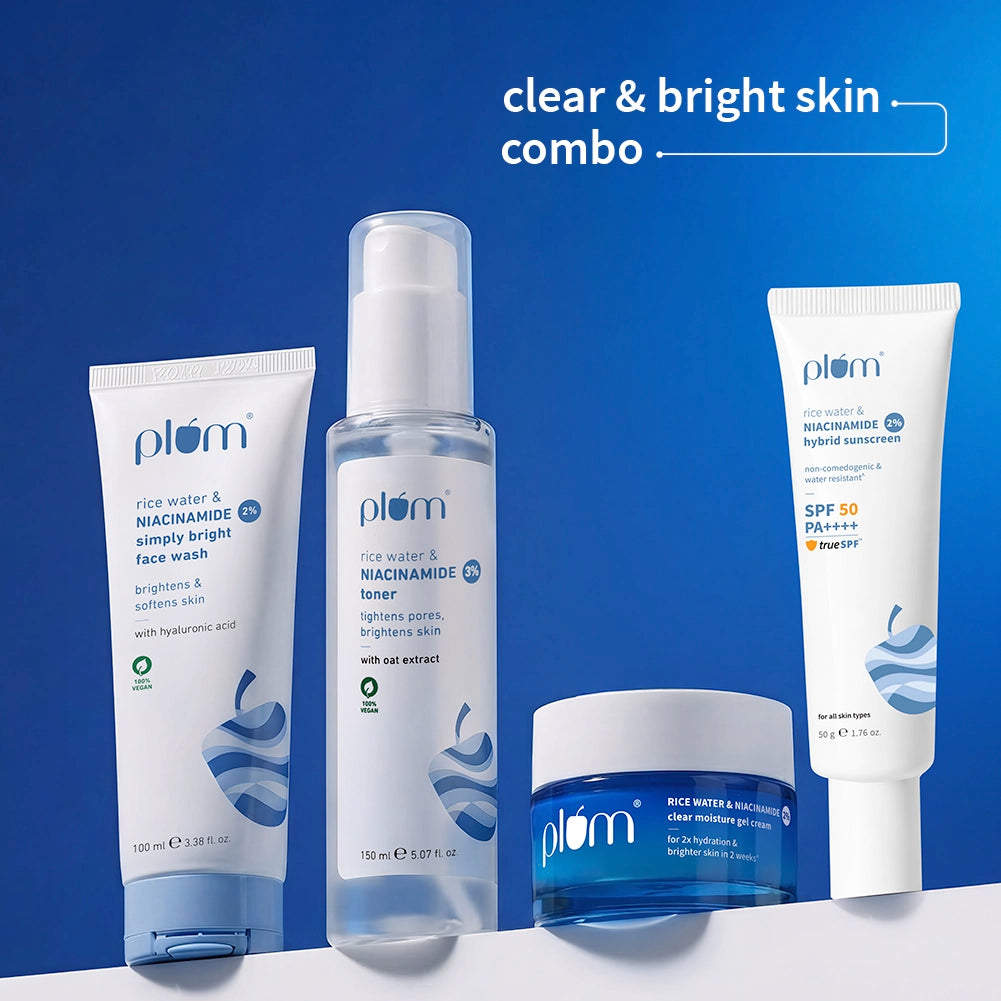
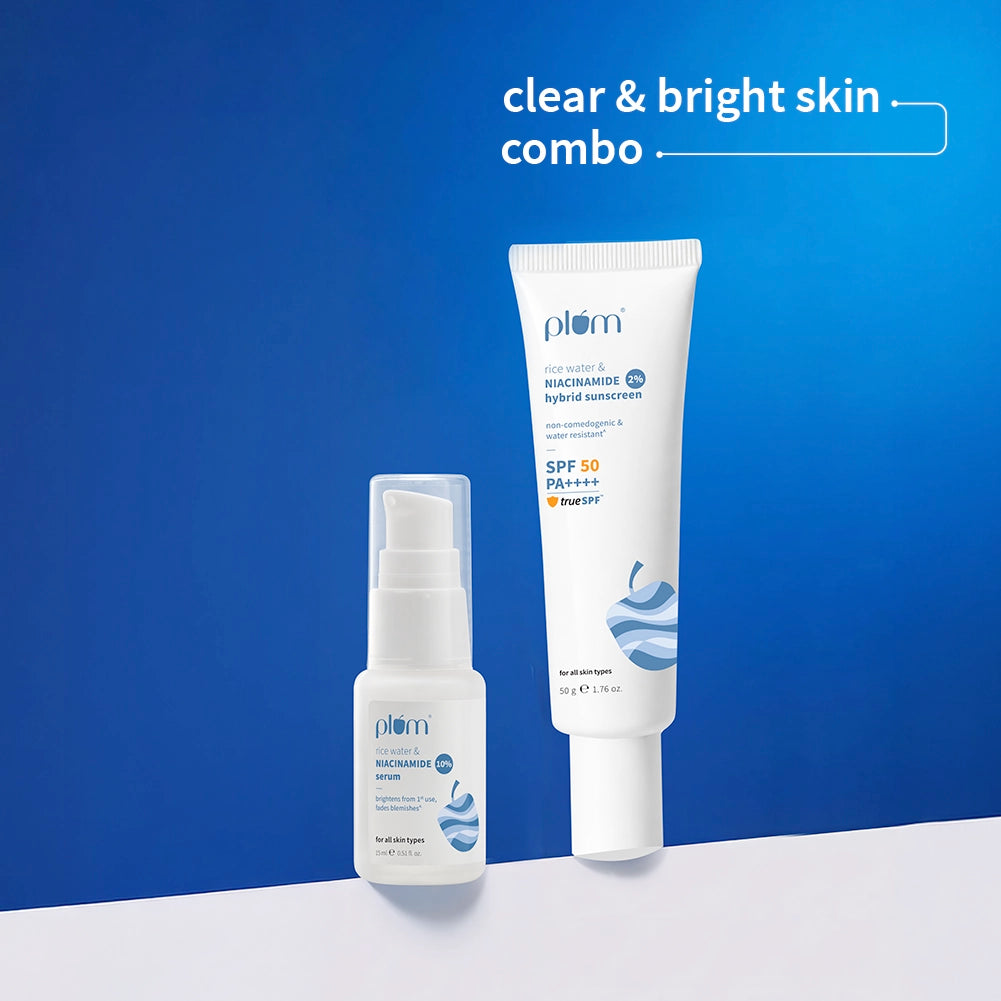
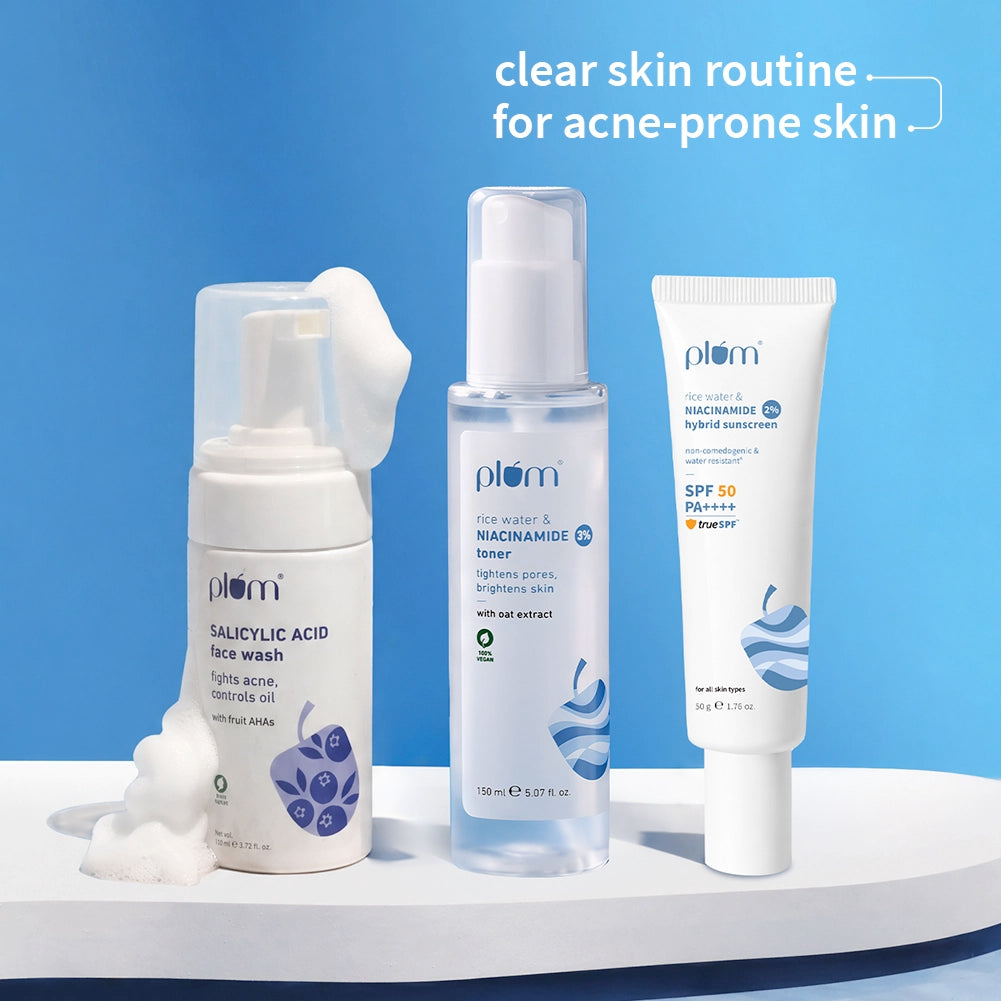
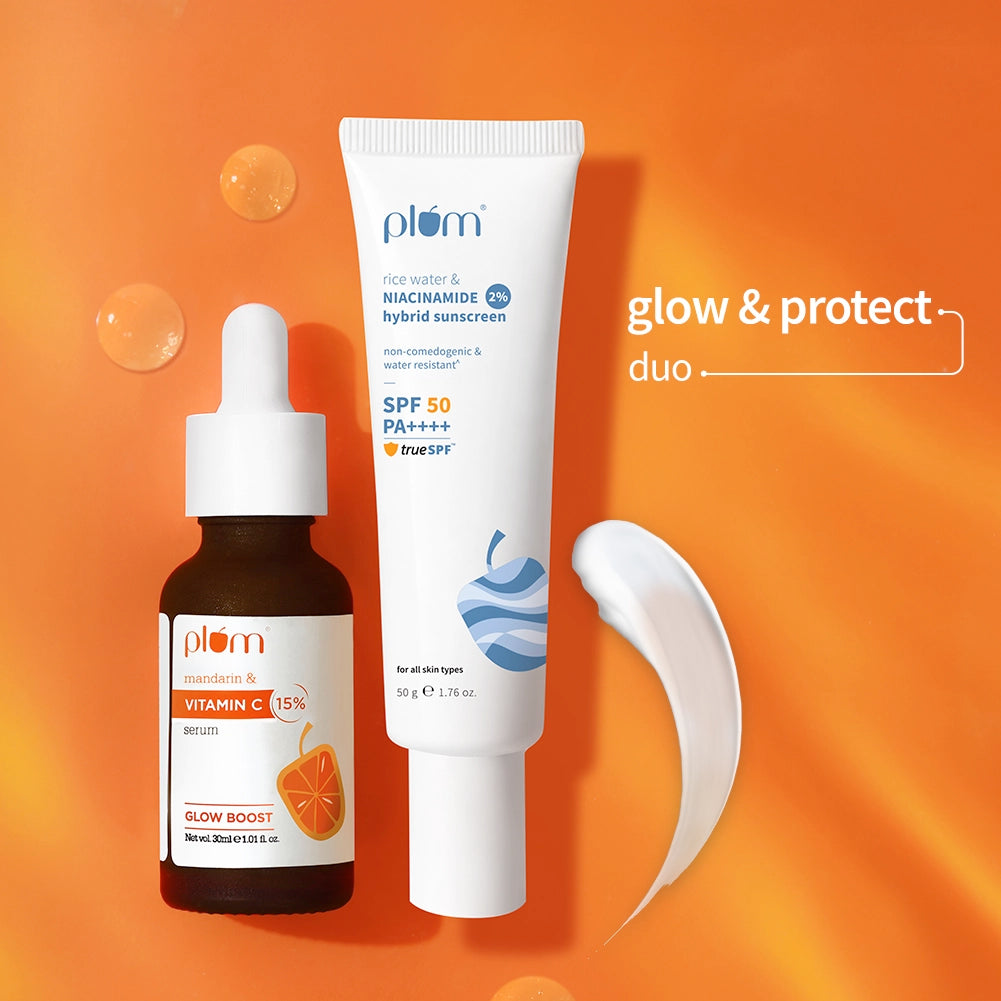
Niacinamide (Vitamin B3) in sunscreen goes beyond UV protection. It actively reduces the appearance of dark spots and hyperpigmentation triggered by sun exposure, regulates excess oil production, minimizes enlarged pores, and strengthens the skin barrier. A sunscreen with niacinamide is particularly powerful for oily and acne-prone skin — it addresses post-sun inflammation and blemishes while protecting. Plum's 2% Niacinamide & Rice Water SPF 50 Hybrid Sunscreen delivers clinically backed results including 3x tan reduction.
Hyaluronic Acid Sunscreen Benefits
Hyaluronic acid in sunscreen solves the problem of sunscreen-induced dryness — especially for dry, combination, and sensitive skin types. It binds up to 1,000x its weight in water, keeping skin plump and hydrated throughout the day even while UV filters are doing their job. A hyaluronic acid sunscreen ensures your skin never feels tight, chalky, or stripped after application — making it much easier to wear every day without skipping.
Choosing the right sunscreen is essential for everyone, whether you're searching for sunscreen for men or sunscreen for women. Men's formulas are often designed to be more lightweight and fast-absorbing. On the other hand, women may prefer sunscreens with added skin benefits like anti-aging ingredients. For full-body protection, don't forget about body sunscreen, which is crucial for safeguarding areas that are exposed to the sun more frequently, such as the arms, legs, and chest.
SPF 50 Sunscreens for Daily Use
SPF 50 is the gold standard for daily sun protection — blocking approximately 98% of UVB rays. Whether you're commuting, working indoors near windows, or spending time outdoors, SPF 50 ensures your skin stays protected through variable UV exposure throughout the day.
Key reasons to choose SPF 50 for daily use:
Blocks 98% of UVB rays vs. 97% for SPF 30 — a meaningful difference with prolonged daily cumulative exposure
Offers a safety margin for when reapplication is delayed (in meetings, during travel, or after gym sessions)
Works synergistically with PA++++ to protect against both UVB (burning) and UVA (ageing and pigmentation) rays
Plum's entire sunscreen range features SPF 50 formulas — from the matte gel for oily skin to the dewy cream for dry skin — ensuring maximum protection regardless of your skin type.
Benefits of SPF 50 PA++++ Sunscreen
PA++++ is the highest available UVA protection rating in the PA grading system. Combined with SPF 50, it means your sunscreen is providing maximum broad-spectrum protection against both types of UV radiation:
SPF 50: Filters 98% of UVB rays that cause sunburn, DNA damage, and skin cancer
PA++++: Provides the highest grade of UVA protection against rays that penetrate deeper into the dermis, causing pigmentation, premature ageing, and collagen breakdown
Why this matters in India: India's UV index regularly reaches 10–11 (extreme) in summer months. A PA++++ sunscreen ensures you're not just preventing sunburn — you're protecting against the deeper, slower UV damage that causes dark spots, uneven tone, and accelerated ageing over years of sun exposure.
Choose SPF 50 PA++++ as your daily non-negotiable — morning, every morning, rain or shine.
Understanding SPF and PA for effective sun protection
SPF, or sun protection factor, is a rating system that measures the level of protection a sunscreen provides against UVB rays. UVB rays are the main cause of sunburn and are also responsible for much of the skin damage associated with sun exposure. The higher the SPF, the higher the level of protection against UVB rays.
PA, or protection grade of UVA, is a rating system that measures the level of protection provided against UVA rays. UVA rays are responsible for premature ageing and contribute to the development of skin cancer. A PA rating of PA++ or higher is recommended for maximum protection against UVA rays.
In conclusion, understanding the difference between SPF and PA is crucial for selecting the right sunscreen. Both are essential for protecting your skin from the harmful effects of the sun's UV rays. By choosing a sunscreen with a high SPF to guard against UVB rays and a high PA rating to protect against UVA rays, you can enjoy beautiful, healthy skin for years to come.
Best Sunscreen Ingredients for Skin Protection
Beyond the UV filters themselves, the best sunscreens contain additional skin-loving ingredients that enhance protection and provide added skincare benefits with every application. Here are the key ones to look for:
Zinc Oxide: A mineral UV filter that sits on the skin's surface to reflect both UVA and UVB rays. Naturally anti-inflammatory — ideal for sensitive or acne-prone skin.
Titanium Dioxide: Another mineral filter that's lightweight and gentle. Often combined with zinc oxide in mineral sunscreens for broad-spectrum coverage without irritation.
Cica (Centella Asiatica): A powerful soothing ingredient that repairs the skin barrier, reduces redness, and calms UV-induced inflammation. Particularly beneficial for sensitive and post-acne skin.
Rice Water: Rich in antioxidants and ferulic acid, rice water protects against free radical damage triggered by UV exposure and helps brighten skin tone over time.
Green Tea Extract: Packed with EGCG antioxidants that neutralize UV-induced free radicals, reduce inflammation, and help control sebum — making it ideal for oily skin sunscreens.
Vitamin E (Tocopherol): A fat-soluble antioxidant that enhances the stability of UV filters and repairs UV-induced oxidative damage in the skin. Often paired with Vitamin C for synergistic protection.
Common Sunscreen Myths & Misconceptions
Myth 1: “Dark skin doesn’t need sunscreen.”
Truth: Melanin provides some natural SPF (around SPF 13), but it does NOT protect against UVA-induced pigmentation, premature ageing, or skin cancer. All skin tones need daily SPF 50 PA++++ protection.
Myth 2: “I only need sunscreen when it’s sunny.”
Truth: Up to 80% of UV rays penetrate clouds. UVA rays also pass through glass windows — meaning indoor sun exposure causes ageing and pigmentation too. Sunscreen every morning, regardless of weather.
Myth 3: “SPF in makeup/moisturizer is enough.”
Truth: You'd need to apply 7–10 times the amount of SPF-containing foundation or moisturizer to reach the stated SPF. These products are not a replacement for a dedicated sunscreen layer underneath.
Myth 4: “Sunscreen causes acne.”
Truth: A poorly formulated or wrong-formula sunscreen can clog pores — but a non-comedogenic, oil-free gel sunscreen formulated for oily or acne-prone skin will not cause breakouts. The right formula is key.
Myth 5: “One application in the morning lasts all day.”
Truth: Sunscreen degrades with UV exposure, sweat, and sebum production. Reapplication every 2–3 hours is essential for continuous protection, especially outdoors.
Myth 6: “Sunscreen is only for summer.”
Truth: UV rays are present year-round in India. The UV index in most Indian cities rarely drops below “moderate” even in winter. Daily sunscreen is a 365-day habit, not a seasonal one.
How Much Sunscreen Should You Apply on Face?
One of the most common reasons sunscreen fails to deliver its stated SPF is under-application. Most people apply just 20–50% of the recommended amount — meaning their effective SPF is far lower than the label states.
The recommended amount for the face:
The “2 finger rule”: Squeeze sunscreen along the length of your index and middle finger — that's approximately the right amount for your face and neck combined.
Or use the “1/4 teaspoon” measure: About 0.25 tsp for the face alone.
For the face + neck + ears together: roughly 0.5 tsp (or two full finger-lengths).
Application order in your skincare routine:
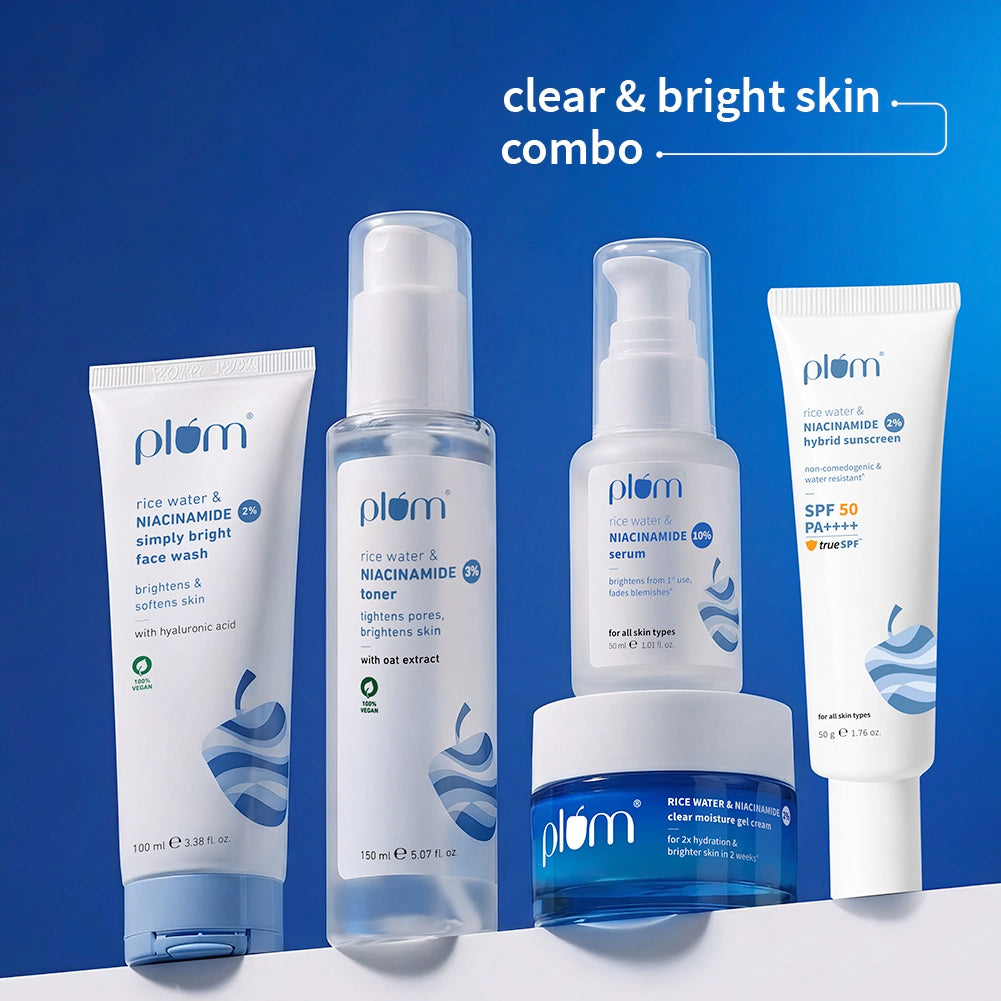
Cleanser → Toner → Serum → Moisturizer → Sunscreen (last step, before makeup)
Apply sunscreen at least 15 minutes before sun exposure to allow the formula to set
Reapply every 2–3 hours outdoors, or after sweating or swimming
Tips for even application:
Dot sunscreen across your forehead, cheeks, nose, and chin — then blend outward to ensure even coverage
Don't forget the ears, back of the neck, and lips (use an SPF lip balm)
For oily skin: apply a thin, even layer and let it absorb fully before applying makeup to avoid pilling
Frequently Asked Questions
Why use sunscreen for face?
You need sunscreen cream and SPF to protect the skin from harmful ultraviolet (UV) rays that can cause sunburn, skin damage, aging, and increased risk of skin cancer. For the body, you also need sunscreen lotion to prevent sun damage.
How often should I reapply sunscreen?
It is recommended to reapply sunscreen every 2 hours or immediately after swimming or sweating. Also know more on why does my face sweat after applying sunscreen?
What SPF should I use for everyday use and for extended sun exposure?
For everyday use, an SPF of 30 is recommended, while for extended sun exposure, a sunscreen with SPF of 50 or higher is recommended.
Can I use sunscreen daily?
Yes, it is safe to use sunscreen daily, especially if you are spending time outdoors or in bright sunlight. Look for sunscreens for everyday use that are lightweight and leave no white cast.
Which is better, SPF 30 or SPF 50?
Both SPF 30 and SPF 50 provide adequate protection from harmful UV rays, but SPF 50 offers slightly more protection. It is recommended to choose a sunscreen SPF 50 or higher for extended sun exposure and to reapply every 2 hours. However, if you are looking for sunscreen for oily skin or are mostly staying indoors, you can also use an SPF 35.
Should I use sunscreen if my face is oily?
Yes, you should never skip sunscreen, whatever your skin type. If you are looking for specific skin concerns, like sunscreen for oily skin or sunscreen for sensitive skin, read the labels. Ensure it has skin-loving ingredients like cica, hyaluronic acid, niacinamide, green tea, etc., that soothe the skin and protect it from sun damage.
What is SPF?
SPF stands for Sun Protection Factor which measures a sunscreen's ability to protect your skin from UVB rays. UVB rays are responsible for causing sunburn and contribute to skin damage. Here's what the SPF ratings mean:
SPF 30 blocks approximately 97% of UVB rays
SPF 50 blocks about 98% of UVB rays
No sunscreen can block 100% of UV rays. To ensure continuous protection, it's important to reapply sunscreen every 2-3 hours.
What is PA++++?
PA stands for Protection Grade of UVA. It is a rating system that indicates the level of protection a sunscreen provides against UVA rays, which penetrate deeper into the skin and are the primary culprits for aging and pigmentation.
The more "+" signs, the higher the UVA protection. “PA ++++” is the highest protection you can get!
Is SPF 50 enough sun protection?
Yes, SPF 50 is highly effective, offering 98% protection against UV rays. It’s an excellent choice for daily use and outdoor activities. However, for optimal sun protection, it’s essential to reapply every 2-3 hours.
What makes Plum sunscreens unique?
Plum believes that every skin type and concern requires a unique, tailored solution.
Our portfolio nurtures our Plumsters with:
- Diverse formats: Whether you need a lightweight gel, a nourishing cream, a fluid texture, or a tinted finish, our sunscreens offer a variety of textures to suit all skin types and preferences.
- Clinically Proven Delivery: Our sunscreens have clinically backed results including 3x tan reduction & 4 hours water resistance from our Rice Water & 2% Niacinamide Sunscreen and our Green Tea & Zinc Super-Matte Sunscreen with instant oil reduction & 120 minutes water resistance.
- Smart, Skin-Loving Ingredients: Our formulations offer additional benefits such as brightening, blemish reduction & oil control, making them the perfect solution for your regime!
- Stability-Validated: Our sunscreens are rigorously stability-tested to ensure long-lasting efficacy and safety, delivering results with every application.
- Our formulations go beyond mere sun protection. Hence, when you choose a Plum Sunscreen, you’re not just opting for efficient sun protection but also taking care of your skin holistically.
As we believe at Plum: U & We, Stronger than UV.
How do I know if my sunscreen is chemical or physical?
The ingredient list should help with this! A physical/100% Mineral sunscreen lists minerals like zinc oxide and titanium dioxide as active ingredients.
Mineral sunscreens are ideal for those with sensitive skin. These sunscreens use sun filters like zinc oxide and titanium dioxide to create a physical barrier on the skin, reflecting UV rays. If you're looking for a gentle, non-irritating option, mineral sunscreens are your ideal match.
On the other hand, chemical sunscreens absorb UV rays and convert them into heat to prevent skin damage. These are great for those who prefer a lighter, non-greasy feel and don’t necessarily have sensitive skin.
How to choose the perfect sunscreen for myself?
Selecting the right sunscreen can feel tricky, but with these simple guidelines, you can easily find your ideal match!
SPF – An SPF 50 PA+++ provides ample sun protection (don’t forget to reapply every 3-4 hours)
Skin Type – Your skin type determines your perfect SPF match
All Skin Type – If you’re unsure about your skin type, go for a broad-spectrum sunscreen like our Rice Water & 2% Niacinamide Hybrid Sunscreen.
Combination to Oily Skin – A lightweight, gel-based sunscreen like our Green Tea & Zinc Super-Matte Sunscreen Gel will help in controlling excess oil production
Sensitive Skin – A gentle & soothing mineral sunscreen like Plum Oat & Ceramide Complex 100% Mineral Sunscreen will protect your sensitive skin! Bonus tip – This is also Gynaec-Trusted & Pediatrician Approved (for children above the age of 12).
Dry Skin – A moisturizing sunscreen like Squalane & Vitamin E dewy bright sunscreen while giving your skin a radiant finish.
What is a Mineral-Based Sunscreen?
A mineral-based sunscreen uses physical filters like zinc oxide and titanium dioxide, which sit on the skin’s surface and deflect harmful UV rays. Unlike chemical sunscreens that absorb into the skin and may cause irritation, this type of sunscreen is gentle and non-irritating, making it an ideal choice for sensitive skin, kids, and pregnant/lactating moms.
Which sunscreen is safe during pregnancy?
A gynaec-trusted sunscreen^ that is gentle on the skin like Plum’s Oat & Ceramide Complex 100% mineral sunscreen that is free of harsh chemicals and is ideal for moms-to-be.
Certificate no - CCFT403/GYN03/01 issued by an independent expert – graded lab, Dec 2024.
Additional Questions:
Can it be applied under makeup?
Yes, the sunscreen can be applied under make-up. The lightweight texture ensures that the sunscreen spreads evenly and absorbs quickly, leading to no pilling situations.
Are new-gen filters in sunscreen safe?
Yes, the new-gen filters present in sunscreen our Squalane & Vitamin E dewy-bright sunscreen for dry skin & Cica & Hyaluronic aqua-light sunscreen for all skin types, are the safest known sun filters yet.
Can these sunscreens be used on the face and body?
We suggest using our sunscreens on your face and neck and not on the body. For your body, you can use the Plum BodyLovin’ Lilly Miss Sunshine SPF 30 PA+++ Body lotion that prevents tan, while soothing your skin.
Plum Best Sunscreens As Per Different Skin Type & Benefits
| Sunscreen | Skin Type | Benefits |
|---|---|---|
| Cica & Hyaluronic Acid SPF 50 PA+++ Sunscreen | All skin types | Water-light, non-sticky, new gen filters |
| Squalane & Vitamin E SPF 50 PA+++ Dewy-Bright Sunscreen | Dry, sensitive skin | Hydrates skin, new-gen filters, non-sticky |
| 2% Niacinamide & Rice Water SPF 50 PA+++ Hybrid Sunscreen | All skin types | Reduces blemishes & brightens skin |
| Green Tea Day-Light Sunscreen Gel SPF 35 PA+++ | Oily, acne-prone, combination skin | Ultra-light gel texture, no white cast, fights pimples |
| Chamomile and White Tea Sheer Matte Day Cream SPF 50 | Normal skin | Soothes and calms skin |
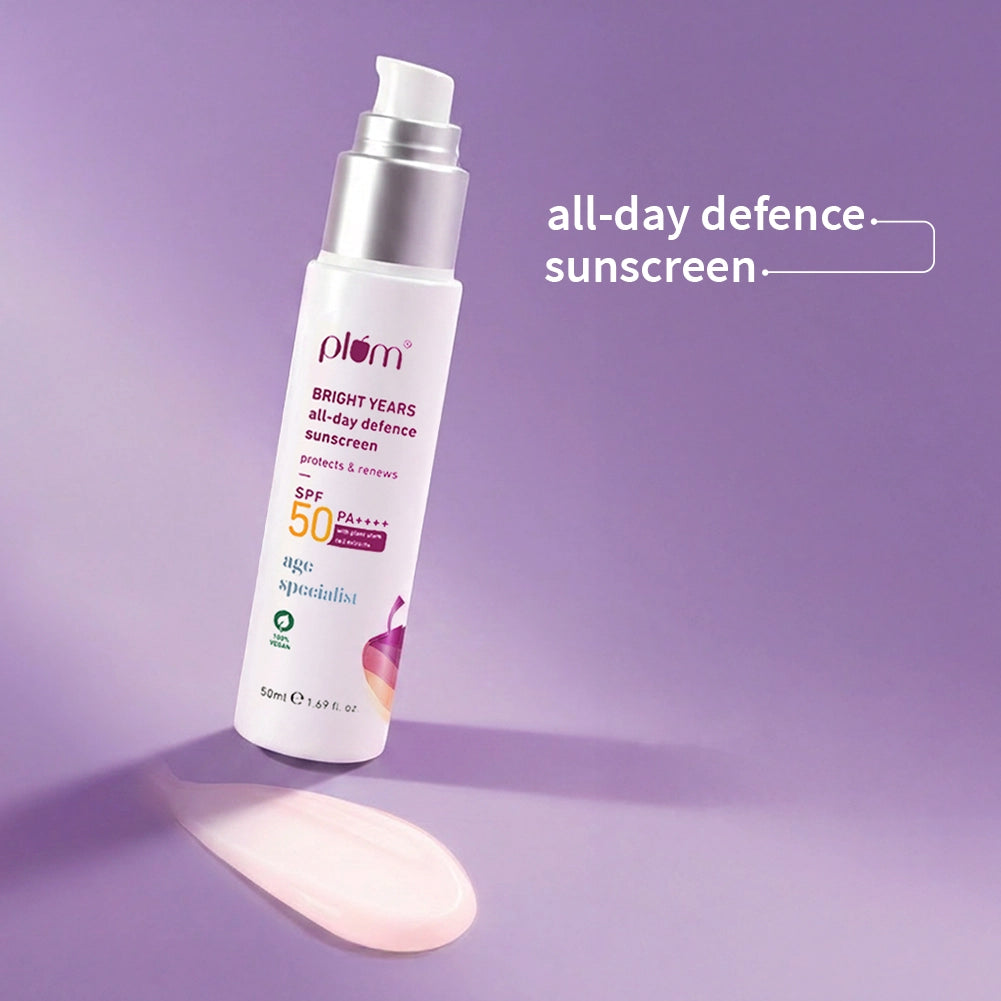
| Bright Years All Day Defence Cream SPF 45 PA+++ | Mature skin | Fights sun damage and signs of ageing |


